
Preventing the Great Salt Lake’s Decline: A Closer Look at a Troubled Water Resource
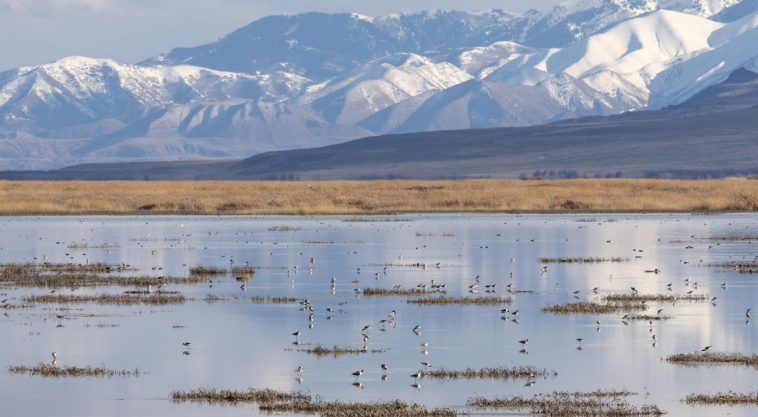
The Great Salt Lake, an iconic water body in Utah, has been slowly shrinking over the decades. At its third-lowest level in over 120 years as 2025 ended, the lake has sparked debate among state leaders, environmentalists, and local communities. While policymakers weigh options ranging from incentivizing water sales to transporting water from other basins, the tangled issues involved remind us that our water choices have far-reaching consequences.
The lake’s current water level—recorded at 4,191.1 feet on the south arm—has set off alarms about exposed lakebed dust. This dust, carrying toxic materials, could contribute to poor air quality along the Wasatch Front. Even as long-term solutions are explored, immediate steps to mitigate the health risks posed by this exposed dust have become a super important topic under discussion.
Utah Water Conservation Challenges: How 261 Billion Gallons Could Make a Difference
The discussion over the Great Salt Lake has been reignited as experts suggest that about 800,000 acre-feet (roughly 261 billion gallons) of water needs to be added to the lake to restore its current health. To put this in perspective, that volume is equivalent to filling nearly 400,000 Olympic-sized swimming pools or irrigating 300 square miles of farmland for an entire year.
Utah’s water management system is already stressing under the pressure of municipal, industrial, and agricultural demands. Once dominated by agricultural water use, the state now faces a shift as urban and industrial water consumption steadily increases. The challenge is not just the availability of water, but also the tricky parts of reallocating it among competing needs.
Several key points emerge from discussions among state officials:
- Water is becoming a commodity that farmers can trade, especially when crop profits fluctuate.
- Municipal and industrial demands are climbing, which may continue if agriculture further loses out.
- Innovative water management models are required to balance human consumption with environmental sustainability.
State leaders have proposed a system where farmers could sell water to help replenish the lake. Priced around $300 per acre-foot, this water market is intended to provide a financial incentive for producers without forcing them to abandon farming completely.
Dust Mitigation Strategies: Tackling Exposed Lakebed Health and Air Quality Concerns
A major worry now is that low water levels expose extensive areas of the lakebed—over 120 square miles in Farmington Bay alone. These exposed surfaces can turn into dust hotspots when winds kick up the fine particles. The potentially harmful dust poses respiratory risks and could severely impact the air quality on the densely populated Wasatch Front.
Local researchers have been working through promising approaches for dust control. One strategy involves temporarily flooding exposed areas during Utah’s cooler months. The idea is to keep the lakebed damp so that dust does not become airborne. While this method may seem simple, it comes with its own set of tangled issues, including financial costs and environmental trade-offs.
Experts also stress the need for more atmospheric data. For over a decade, scientists like Professor Kevin Perry from the University of Utah have been studying dust phenomena around the lake. His work highlights that there are noticeably fewer air monitoring instruments in Northern Utah compared to similar saline lakes in California. In response, state officials have allocated funds to install additional monitoring networks.
A summary of current dust mitigation tactics includes:
| Strategy | Potential Benefits | Challenges |
|---|---|---|
| Temporary Flooding | Reduces airborne dust, protects air quality | Financial costs, operational complexity |
| Installation of Air Quality Monitors | Provides essential data to inform policy | Initial investment and long-term maintenance |
| Agricultural Water Trading | Encourages water conservation and reuse | Market risks and uncertain farmer participation |
Incentivizing Water Transfers: A Fresh Approach Among Farmers and Industries
One direct approach being considered is offering farmers the opportunity to sell their water rights to bolster the lake’s level. As agriculture’s water use makes up a significant share, shifting even a small portion of this water for the Great Salt Lake could yield noticeable improvements in the lake’s condition.
The method is simple in concept: farmers would receive a price—around $300 per acre-foot—for water that could eventually be routed to the lake. However, the plan is riddled with potentially intimidating economic twists and turns. Farmers might face confusing bits when balancing the revenue from selling water against the need for irrigation in times of unpredictable crop yields.
Officials have been very clear: the proposed system is not intended to drive farmers away from agriculture. Instead, it is about finding a balance in which water becomes a versatile resource used both for crop irrigation and ecological preservation. By offering producers a choice, the state hopes to build a water market that benefits everyone.
Key benefits of the water transfer program could include:
- Financial incentives for farmers during off-peak agricultural periods
- Improved water allocation for urban and environmental needs
- Enhanced long-term stability for both agriculture and lake health
Exploring Alternative Water Transportation: Learning from the Newfoundland Water Basin
In addition to promoting water sales among farmers, another promising strategy is transporting water from the Newfoundland Water Basin to the Great Salt Lake. Historical examples show that water can be rerouted during periods of heavy precipitation. In the 1980s, during times of massive rainfall and snowfall, state officials successfully pumped water from the lake into the West Desert. This legacy illustrates that it is technically possible to move large volumes of water, albeit with its own set of complicated pieces.
Transferring water from one basin to another involves several tricky parts. These include concerns about water rights, the cost of infrastructure projects, and the potential disruption of local ecosystems. The process requires precise planning and a clear understanding of the fine points involved. Yet many believe that this alternative could be a viable option if executed with the help of modern technologies and improved environmental assessments.
Some steps that would need to be taken for a successful water transfer include:
- Conducting thorough environmental impact studies
- Developing infrastructure plans that account for varied terrain and climate differences
- Establishing collaborative frameworks among local, state, and federal entities
The Role of Technology in Dust Monitoring: Data-Driven Policy Makes the Difference
When it comes to reducing health risks along the Wasatch Front, the state is increasingly relying on technology for guidance. Currently, researchers point out that the installation of additional dust monitors in Northern Utah is a key step. By collecting more data, officials will be better able to figure a path through the subtle details of the dust problem and determine which mitigation actions are the most effective.
The increased focus on monitoring reflects a growing understanding that modern challenges demand modern solutions. For instance, real-time data from these monitors can help local governments decide when and where to implement temporary flooding measures on the lakebed. The partnership between scientists and policymakers is super important, as it ensures that decisions are based on the latest information rather than on outdated models.
Some ways that technology assists in dust mitigation include:
- Real-time air quality monitoring
- Satellite imagery to track lake and land changes
- Advanced data analysis to forecast dust events
This approach not only aids in protecting public health but also provides a clear guide as the state works through the mixed challenges of resource management and environmental safety.
Community and Policy: Building Local Consensus Amid Confusing Bits and Tangled Issues
As discussions over the Great Salt Lake intensify, the importance of community engagement becomes clear. Many local communities, environmental groups, and industry stakeholders are deeply invested in a balanced solution. Their opinions highlight the fact that managing a resource as iconic as the Great Salt Lake is not just about numbers—it’s also about preserving a natural treasure that has long defined Utah.
State policymakers have stressed that simple protests or symbolic actions alone will not solve the problem. Instead, they call for practical measures and data-backed initiatives. Interviews with local leaders reveal that despite the intimidating scope of the problem, there is a persistent belief in finding workable solutions by actively involving everyone who has a stake in the lake’s future.
Key community-driven initiatives include:
- Public forums and roundtable discussions with policymakers, experts, and locals
- Educational campaigns to explain the critical differences between natural water cycles and human impacts on the lake
- Collaborative projects aimed at dust monitoring and temporary lakebed flooding
Such initiatives are part of a broader effort to find common ground amid the slight differences in opinion. They serve as a reminder that every stakeholder—from the farmer to the city resident—plays a super important role in preserving the delicate balance between economic needs and environmental stability.
Environmental and Economic Trade-offs: Finding a Balance in Troubling Times
The dilemma facing the Great Salt Lake is a classic example of the challenges at the intersection of environmental preservation and economic growth. On one hand, the lake is a vital natural resource that supports local ecosystems and contributes to the cultural identity of Utah. On the other, economic pressures demand that water is used for municipal, industrial, and agricultural purposes.
Balancing these competing needs involves working through a number of tricky parts. For example, researchers point out that even small shifts in water allocation can have a cascading impact, affecting everything from local air quality to the economic viability of farms. Perhaps the most overwhelming aspect is the need to make decisions that simultaneously address both immediate public health concerns and long-term sustainability.
A balanced policy should consider:
- The immediate health consequences from increased dust due to exposed lakebeds
- The long-term environmental effects of reduced water levels on native species
- The economic impacts on farming communities and growing urban centers
By critically analyzing these elements and listening to the various voices from across society, policymakers can better figure a path that mitigates negative impacts while capitalizing on available opportunities.
Learning from Past Efforts: Historical Lessons and Modern Adaptations
Looking back at the historical management efforts during the 1980s, lessons can be gleaned that are relevant today. Back then, during periods of unusually heavy rainfall and snow, Utah was able to pump water into alternative regions like the West Desert. Though the conditions that made that possible were unique, they provide a useful blueprint for what might be achievable with modern technology and innovative thinking.
However, history also reminds us that the twists and turns of water management are often filled with confusing bits. Past attempts have highlighted potential pitfalls—ranging from unforeseen economic backlash to unexpected environmental side effects. The current challenge with the Great Salt Lake is no different; it is a problem loaded with issues that must be managed carefully.
An informed decision-making process should incorporate the following factors:
- A thorough review of historical water projects and their outcomes
- The integration of modern monitoring and forecasting techniques
- Robust stakeholder engagement to reflect the needs of a diverse community
Integrating these lessons into current policy discussions offers hope that modern initiatives can avoid past mistakes and steer through the complicated pieces with better insight and caution.
Looking Ahead: Policy Directions and Future Prospects for the Great Salt Lake
As Utah prepares for its upcoming legislative session, the discussion around the Great Salt Lake continues to evolve. Lawmakers face the off-putting challenge of balancing short-term fixes with long-term sustainability, a balancing act that calls for both innovation and cooperation.
A number of promising ideas are on the table:
- Enhanced Water Trading: Instituting a market where water rights can be more fluidly traded between agriculture and municipal needs.
- Cross-Basin Water Transfers: Exploring the technical feasibility of bringing water from basins like Newfoundland, thereby diversifying water sources.
- State-of-the-Art Dust Monitoring: Expanding the network of air quality monitors to gather real-time data that informs responsive actions.
- Temporary Flooding Programs: Implementing pilot projects that periodically flood exposed lakebeds to control dust outbreaks.
These proposals are indicative of a shift toward a more integrated, data-driven approach in managing water resources. They reflect a broader trend within environmental policymaking that emphasizes community involvement, technological advancement, and adaptive planning.
While some of these ideas might seem overwhelming at first glance, it is the willingness to engage with the small distinctions and hidden complexities of water management that will ultimately define success. The approach is not about choosing sides between environmental protection and economic development; it’s about finding a smart compromise that respects the needs of both.
Taking Stock: The Real Cost of Inaction and the Promise of Proactive Measures
Without significant intervention, the risks associated with the declining water levels of the Great Salt Lake could escalate. The long-term exposure of the lakebed not only threatens local public health but also jeopardizes the natural beauty and ecological integrity of the region. In contrast, proactive measures—though they come with their own set of challenging pieces—offer a pathway toward a more sustainable future.
An analysis of the possible outcomes shows:
| Scenario | Potential Consequences | Opportunities for Improvement |
|---|---|---|
| No Significant Intervention |
|
|
| Proactive Resource Management |
|
|
The table above lays out a clear choice: either continue down a path of reactive measures—often costly and inefficient—or invest in proactive and innovative policies that promise not only to restore the Great Salt Lake but also to safeguard the region’s quality of life.
Ultimately, failing to address the issue now could have far-reaching consequences that extend beyond environmental degradation. It might also incur significant economic and public health costs over time, affecting everything from property values to community stability.
Community Reflections and the Road to Consensus
Local voices are increasingly being heard in the debates surrounding the Great Salt Lake. From grassroots environmental organizations to local farming communities, there is a shared recognition that meaningful change is needed. Many residents have expressed both concern and cautious optimism about the proposals on the table.
Some community leaders have pointed out that while the proposed changes introduce a number of irritating twists and turns into the familiar routines of water use, they ultimately represent a move toward smarter, more resilient policy. As one local official remarked, “It isn’t about choosing between the economy and the environment; it’s about making informed decisions that benefit us all in the long run.”
Efforts to build local consensus include:
- Town hall meetings where experts discuss the practical challenges and promising solutions
- Workshops that help community members understand the fine points of water trading and dust control initiatives
- Collaborative research initiatives that pair local stakeholders with academic institutions
By working together and pooling local knowledge, the community hopes to bridge the slight differences in perspective and find a way forward that acknowledges both the immediate and long-term needs of the region.
Conclusion: Steering Through the Confusing Bits to a Sustainable Future
The future of the Great Salt Lake is a subject loaded with problems that require an honest appraisal and a multi-faceted response. From incentivizing water transfers among farmers to launching advanced dust monitoring programs, Utah is considering a range of solutions to address the overwhelming environmental and economic challenges at hand.
The discussions are a prime example of how any community of decision-makers can find its way through complicated pieces by embracing open dialogue, modern technology, and a shared commitment to sustainability. While the twists and turns of policy-making can be nerve-racking, the ultimate goal remains clear: to preserve an iconic natural resource and ensure that both the environment and local communities thrive in harmony.
As we take a closer look at the Great Salt Lake’s plight, it becomes evident that every drop of water, every dollar of investment in smart technology, and every community conversation contributes to a larger picture of sustainability. The onus is on our leaders and citizens alike to figure a path that mitigates immediate risks and secures a legacy of environmental stewardship for future generations.
In the end, the issue of the Great Salt Lake is more than just a local or state matter—it is a reflection of broader challenges facing water management in a rapidly changing world. By working through the fine points, tangled issues, and subtle details of this situation, Utah can indeed set a shining example of how responsible water policy can safeguard not just an iconic lake, but the well-being of an entire community.
Originally Post From https://www.deseret.com/politics/2026/01/07/how-to-save-great-salt-lake-dust-mitigation/
Read more about this topic at
A roadmap for rescuing the Great Salt Lake – @theU
State leaders want to seize on momentum to save the …