
Michigan’s Winter Challenge: Keeping Shipping Lanes Open in Icy Conditions
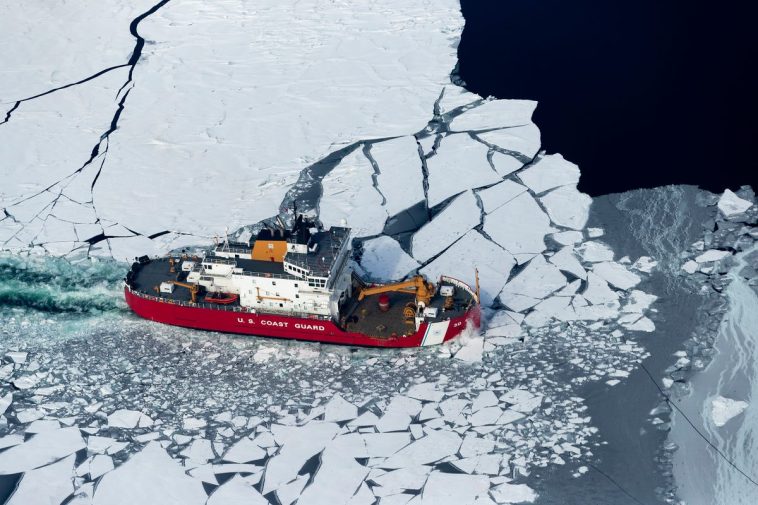
Across Michigan’s Upper Great Lakes, winter brings more than just a drop in temperature. For local communities, businesses, and the maritime industry, the onset of freezing conditions unveils a host of tricky parts that range from tangled issues to confusing bits. Recently, the U.S. Coast Guard Cutter Mackinaw found itself working through nerve-racking conditions in the Straits of Mackinac, where ice accumulation threatened essential shipping routes. With a mix of resilience, expertise, and a commitment to public safety, Coast Guard personnel are now actively engaged in keeping these pathways clear—ensuring that vital commerce can continue even amid nature’s icy grip.
Overcoming the Winter Obstacles in the Straits of Mackinac
The operational environment in the Straits of Mackinac during winter is as challenging as it is essential. Ice buildup along these critical waterways brings about a collection of twists and turns that complicate everyday shipping and trade operations. As the ice thickens over the critical shipping lanes, vessels face dangerous conditions that demand rapid, yet careful, intervention. The Crew on board the U.S. Coast Guard Cutter Mackinaw has been tasked with an intimidating mission: to break up the ice and free stranded vessels, thus ensuring that commerce continues unhindered.
Understanding the Ice-Breaking Procedure
Ice-breaking operations in the Straits are a delicate dance that involves overcoming several complicated pieces. The cutter must work through small distinctions and fine shades of ice formation in order to liberate stuck freighters. During a recent incident, the Mackinaw had to figure a path through thick ice to rescue a freighter caught in a frozen trap. Such operations require not only technical mastery over the ship but also a situational awareness that adapts to rapidly changing environmental conditions.
Field Observations: The Reality of Operating in Subzero Temperatures
Those closely involved in these missions understand that working in the icy waters of Michigan is a real-life lesson in managing your way through nature’s temper. The challenges here are not just about physical strength; the process also involves addressing the subtle parts of logistics—such as ensuring proper coordination with commerce and other transport services. Although these efforts are clearly super important to regional trade, they are equally critical for the safety and security of maritime communities and the crews operating along these frozen routes.
Coast Guard Cutter Mackinaw: A Champion Against the Elements
Now based in Cheboygan, the Mackinaw is no stranger to the challenges that come with navigating (or rather, finding your way through) Michigan’s icy waters. With its robust capabilities up against overwhelming weather conditions, the cutter has repeatedly stepped up to the plate. One notable event occurred when the vessel was tasked with freeing a freighter that had become immobilized by the harsh ice. This recent rescue is a testament to the cutter’s resilience, showcasing how dedicated crews work constantly to mitigate the hidden complexities of ice control.
A Day in the Life of an Ice-Breaking Mission
Imagine waking up to headlines that emphasize another day of off-putting winter challenges on Michigan’s shipping lanes. For the crew aboard the Mackinaw, these are not just press stories—they are the everyday reality. Each mission involves:
- Surveying the ice conditions along the Straits
- Assessing the tangled issues that arise from rapidly accumulating ice
- Coordinating with port authorities to schedule safe shipping windows
- Deploying specialized equipment to break through the frozen barriers
Every step is mindful of the potential for nerve-racking moments, where a slight miscalculation can lead to delays or—even worse—accidents that compromise the entire operation.
Technical Capabilities and Crew Expertise
The success of the Mackinaw’s missions relies on both high-tech equipment and the crew’s ability to dig into the nitty-gritty details of ice formations. The ship is equipped with technology that allows for close observation of ice thickness, while seasoned personnel deploy strategies that combine modern engineering with time-tested methods. This synthesis of technology and human skill is indispensable when working in conditions that are on edge, and when every decision taken on the field can either free a vessel or leave it stranded.
Economic Consequences: When Ice Hits the Shipping Lanes
Beyond the evident drama of ice-breaking missions, there is a broader story to be told about the ripple effects on commerce. The frozen conditions in Michigan’s shipping channels cause an array of delays—from slower vessel movement and disrupted schedules to auxiliary issues like misplaced buoys and temporary blockages at crucial passage points such as the Soo Locks. These setbacks can complicate supply chains and lead to nerve-racking economic ramifications for communities dependent on trade.
Implications for Local and Regional Commerce
The necessity to keep the waterways clear is super important because the economic fabric of many communities hinges on timely deliveries and cost-effective shipping. Some of the economic implications include:
- Delayed shipments leading to shortages of necessary supplies
- Increased operational costs due to rerouting or extended voyage durations
- Impact on local businesses that rely on imported goods during the winter months
- Heightened insurance costs owing to the inherent risks in ice-laden waters
All these factors play into a larger debate about how best to protect the economic lifeblood of the region during the winter season. As such, decisions made by coast guard officials and local authorities are often met with both cautious optimism and a healthy dose of scrutiny from stakeholders.
Analyzing the Economic Trade-offs
The regional debate around ice-breaking operations often touches on the notion of cost versus benefit. While some might argue that the expenses involved in maintaining and deploying icebreakers are high, others contend that investing in these missions is a super important measure to prevent even larger financial losses down the line. When a freighter is freed thanks to these timely interventions, the immediate cost of the operation is more than justified by the prevented economic fallout of a stalled supply chain.
The Role of Timely Intervention: Benefits Beyond the Obvious
At its heart, the work being done in the Straits of Mackinac is about ensuring safe passage during some of the most intimidating times of the year. The immediate benefit of breaking the ice is clear—ships can resume their journeys, and commerce remains substantially uninterrupted. However, when you get into the little twists of reasoning behind these efforts, you start to see that the benefits extend far beyond immediate economic savings.
Safety and Security as a Priority
For many, the overriding concern in ice-prone regions is safety. The tricky parts of icy conditions are not limited to just commerce but also extend to the well-being of crew members and nearby communities. Coast Guard missions like those conducted by the Mackinaw ensure that:
- Rescue operations can be carried out swiftly
- Shipping routes remain safe for both large freighters and smaller vessels
- Accidents associated with ice entrapment are minimized
These preventative measures are indispensable in a region where a single mishap could lead to significant human and financial costs. Crew members who brave these conditions consistently risk their safety so that others can avoid the disastrous consequences of uncontrolled ice buildup.
The Environmental Considerations
While economic and safety concerns often take center stage, environmental factors are also a critical component of the discussion. Breaking through ice not only provides a path for ships but also helps to maintain a certain equilibrium in the water flows and local ecosystems. The environmental impacts of prolonged ice coverage include altered water temperatures and disrupted habitats for aquatic life. In this context, the proactive measures taken by icebreaking vessels serve an additional role by aiding natural cycles—even if temporarily—and reducing the potential for ecological disturbances.
Community Reflections: How Local Residents View the Ice-Breaking Efforts
Stories of rescue and daring ice-breaking missions have a way of resonating throughout local communities. Residents along Michigan’s waterways have long lived with the reality of a winter that can be both breathtaking and off-putting. The consistent efforts by the Coast Guard do not go unnoticed. Many locals appreciate the fact that, despite the nerve-racking weather and tangled issues associated with heavy ice, someone is actively working to ensure that critical services remain operational.
Impact on Daily Life and Local Business
The importance of keeping shipping lanes clear is felt immediately by those who depend on them. Local business owners, fishermen, and even residents experience the effects of any delays first-hand. Consider the following impacts:
- Local stores may face shortages due to delayed resupply shipments
- Fishermen are affected by changes in local water conditions and shipping traffic
- Small businesses that rely on imported goods need reliable transportation to thrive
In essence, the ice-breaking efforts represent more than just a technical operation—they epitomize a community’s resilience in the face of nature’s overwhelming challenges. Every freed vessel serves as a reminder that proactive measures are essential for sustaining everyday life during winter months.
Charting the Future: Preparing for More Intense Winters
As climate patterns evolve and winters potentially grow more unpredictable, the experience from Michigan’s shipping lanes serves as an important case study. The challenges faced by the Coast Guard and local communities highlight the need for enhanced strategies for managing winter weather events. The ongoing commitment to breaking up ice and freeing vessels is likely to be a recurring theme, one that many experts believe is only the beginning of what this seasonal battle will entail.
Investing in Infrastructure and Advanced Technology
Looking forward, there is a driver for investment into both infrastructure and technology that can better manage the inevitable twists and turns of winter’s icy grip. Some governments and industry stakeholders are already discussing upgrades that include:
- Enhanced satellite imaging and remote sensing to better forecast ice formation
- Modernized ships with advanced ice-breaking capabilities
- Upgraded navigational systems that allow crews to figure a path through even the densest patches of ice
These future-forward investments would not only improve the immediate safety and efficiency of icebreaking operations but would also reduce the economic ripple effects associated with sudden icy blockages. By working through these challenges today, decision-makers are essentially setting the stage for a more secure and sustainable future during the winter months.
Lessons Learned and Strategies for Long-term Resilience
One of the most compelling aspects of Michigan’s ongoing winter struggles is the learning curve it represents. Each mission by the Coast Guard Cutter Mackinaw offers valuable insights into how tough ice conditions can be managed effectively. The reputation of the Coast Guard in handling these nerve-racking episodes builds on years of trial, error, and success. Some of the lessons learned include:
- The importance of timely intervention before ice conditions worsen
- The need for constant monitoring of ice buildup using innovative technological solutions
- Enhanced collaboration with local business and environmental experts to understand the broader impacts of ice on shipping lanes
These strategies not only secure the present but also lay down a blueprint for effectively sorting out similar issues in seasons to come. The ability to adapt and invest in both technology and personnel training is what will keep Michigan’s waterways navigable, no matter how intimidating the winter may appear.
Community, Commerce, and Commitment: Weighing the Broader Implications
The events in the Straits of Mackinac encapsulate a larger debate that spans community safety, economic stability, and the ethical commitment to public service. When a freighter is freed from the ice, it is not just an isolated success—it is a win for an entire network of individuals and industries that rely on this crucial trade route. The ongoing effort by the U.S. Coast Guard is a vivid demonstration of how proactive measures can and do make a lasting impact on everyday life.
Public Support and the Value of Reliable Infrastructure
There is no doubt that the operational challenges presented by Michigan’s icy conditions have stirred up considerable public interest. The local community finds reassurance in knowing that the maritime experts are consistently working to clear a safe path through challenging winter landscapes. In many ways, every successful ice-breaking operation reinforces a key public trust—the belief that government agencies and service providers are dedicated to maintaining robust and reliable infrastructure, even in the face of overwhelming natural challenges.
This trust is built on consistent performance. When the ice gets thick and the days turn into nerve-racking hours of suspense, the Coast Guard’s readiness to spring into action reassures local communities and businesses alike. The resilience of these operations, and the safety they uphold, weave together the tapestry of public confidence and community well-being.
A Closer Look: The Multi-Dimensional Benefits of Ice-Breaking Operations
The benefits of ice-breaking extend far beyond the immediate goal of freeing stranded vessels. Here is a breakdown of the multiple dimensions at play:
| Dimension | Benefits |
|---|---|
| Economic |
|
| Safety |
|
| Environmental |
|
| Community Well-being |
|
Breaking the Ice: Lessons in Persistence and Preparedness
The operations carried out in the harsh winter conditions of the Great Lakes highlight a deeper lesson about persistence. The Coast Guard’s role is not just an isolated activity—their work speaks to a broader philosophy of preparedness in the face of overwhelming natural challenges. Every time the Mackinaw sets out into those nerve-racking, clarified yet intimidating conditions, it is a reminder that our infrastructure and our resilience go hand in hand.
Adapting to the Small Distinctions of Each Crisis
Every winter presents its own set of subtle parts and hidden complexities. One day, the challenge might be a freighter stuck amid thick ice; the next, it might be a buoy that has been dragged significantly off course, causing a traffic jam below the Soo Locks. In each instance, Coast Guard crews are required to get into the nitty-gritty details and figure out a path that ensures safe passage—often, with little time to spare.
Such adaptability is not just a demonstration of technical skill, but also a testament to the flexible mindset required to work through the myriad of small twists and turns that arise every day. Here, persistence is mixed with creativity and a profound respect for nature’s unpredictable temperament.
Real-World Effects on Regional Trade and Safety
Consider a scenario where ice accumulates unchecked for days. The ripple effects go beyond a single stranded vessel:
- Continuous delays might force a rethinking of logistical planning for numerous shipping companies.
- Local businesses may suffer from non-delivery of essential goods.
- Communities that rely on timely resupply and economic activity risk facing prolonged shortages.
It is exactly these real-world effects that underscore why the proactive measures taken by the Coast Guard are super important. The ability to act swiftly, under nerve-racking and intimidating conditions, safeguards both human life and the livelihoods of those who depend on a steady flow of goods and services.
The Road Ahead: Balancing Immediate Action with Long-Term Planning
As Michigan’s winter seasons become ever more challenging, the need to get around the issues posed by accumulating ice is more pressing than ever. Whether it’s addressing twisting issues during a rescue mission or investing in technologies that can better predict ice formation, future planning must recognize the importance of swift intervention alongside sustained strategy.
Innovative Technologies and Forward-Thinking Strategies
Looking forward, local authorities and the maritime industry are beginning to showcase innovative ideas to better manage winter challenges. Some examples include:
- Enhanced weather monitoring systems that can accurately predict rapid ice buildup
- Automated sensors on vessels that help crews take a closer look at fine details of formation patterns
- Remote-controlled ice-breaking tools that can be deployed in the most nerve-racking conditions without risking additional human safety
These forward-thinking strategies aim not only to manage the current challenges but also to set up a robust framework that can handle the evolving climate patterns. With increasing unpredictability in weather and water conditions, these innovations represent the intersection of modern technology and the enduring spirit of community service.
Community Collaboration and Policy Development
In addition to technological upgrades, there is a growing consensus for increased collaboration between government agencies, local businesses, and research institutions. Through cooperative efforts, it becomes easier to:
- Develop policies that facilitate quicker response times
- Manage the intricate pieces of large-scale logistical challenges
- Ensure that the economic benefits of uninterrupted shipping are not overshadowed by unforeseen delays
This collaborative approach, which prioritizes transparency and shared responsibility, is key to working through the tangled issues that arise when nature and commerce intersect. By setting up comprehensive plans that address immediate concerns, communities can also prepare for the long-term impacts of ongoing climate variability.
The Broader Perspective: Environmental, Economic, and Social Dimensions
While the immediate narrative around the Mackinaw’s recent rescue operation may appear mechanical and focused solely on logistics, the full story unfolds across several interconnected dimensions. The local conversation also involves broader environmental and social implications that warrant equal attention.
Environmental Sustainability and Responsible Practices
Ice-breaking isn’t just about freeing vessels—it’s also about managing environmental conditions in a sustainable way. When water bodies are left to be overwhelmed by ice, it can lead to a cascade of environmental issues such as altered water circulation patterns and disruptions in the seasonal cycles of aquatic life. By actively intervening to break up the ice, maritime authorities help to moderate these impacts and support local ecosystems.
In addition, responsible ice management sets a precedent for how technology and human expertise can work together to ensure that both economic and environmental interests are protected. The practice of blending high-tech innovation with hands-on experience shows that even in daunting conditions, a balanced approach is achievable.
Social Cohesion and Public Trust in Services
The successful operation of critical infrastructure during challenging seasons also builds social cohesion. Local communities see the dedication of their public services as a testament to their commitment to public safety and well-being. This, in turn, boosts public trust and reinforces the belief that even the most intimidating natural challenges can be managed if a community works together.
Public forums and town meetings often echo these sentiments, drawing attention to the crew’s bravery and the strategic planning that goes behind each mission. The social narrative that emerges is one of resilience, preparedness, and an unwavering commitment to community welfare—a narrative that is as much about human spirit as it is about technical expertise.
Final Thoughts: A Winter of Challenges Met with Determination
As winter firmly takes hold of Michigan’s waterways, the battle against ice becomes both a literal and metaphorical testament to human perseverance. The U.S. Coast Guard Cutter Mackinaw and its brave crew continue to work through the overwhelming and off-putting elements to ensure that commerce, community safety, and environmental balance are maintained. Each operation, every freed vessel, represents a small victory in a larger war against nature’s unpredictable temperament.
When we consider the multiple layers of impact—economic, environmental, and social—it’s clear that efforts in breaking up the ice are far from a straightforward technical task. They are a complex interplay of assessing hidden details, finding innovative solutions in heady conditions, and making split-second decisions that can have far-reaching consequences for the entire region.
Key Takeaways for the Future
To summarize the multifaceted lessons drawn from these ice-breaking missions:
- Safety First: The protection of maritime crews and local residents is non-negotiable, making each mission a priority despite the nerve-racking circumstances.
- Economic Stability: Ensuring uninterrupted shipping lanes directly supports local economies, reducing the risk of costly delays.
- Environmental Responsibility: Managing ice in a thoughtful manner helps maintain ecosystem stability, underpinning broader sustainability efforts.
- Collaborative Strategy: Future challenges will require enhanced cooperation between agencies, communities, and tech innovators to build on successful interventions.
These takeaways, and the broader narrative they support, embody a commitment to not just reacting to winter’s icy grip, but to continually adapting and planning for a future where each challenge is met with teamwork, innovation, and unwavering resilience.
A Call for Continued Support and Investment
In conclusion, while the current operations in the Straits of Mackinac are a testament to the skill and dedication of the Coast Guard, there remains a broader call to action for increased investment and collaboration. The ever-changing nature of winter conditions demands that local authorities, industry stakeholders, and community leaders maintain a forward-leaning approach to managing these challenges.
Efforts to clear the waterways, keep commerce flowing, and ensure public safety are not one-off tasks—they are an ongoing commitment that must be supported at every level of government and society. By recognizing the that each freed freighter represents a victory against nature’s unpredictable twists and turns, we can all appreciate the crucial role of agencies like the U.S. Coast Guard in securing a stable and prosperous future for Michigan.
As residents and stakeholders alike continue to witness the practical effects of these operations, it becomes increasingly clear that our collective future depends on our ability to work through the tricky parts, adapt to confounding bits of nature, and invest in the technology and strategies that turn intimidating challenges into manageable hurdles.
Looking Beyond the Horizon
The battle against the relentless winter ice is far from over. If anything, each season teaches us something new about the fine points of our environment and the importance of a well-coordinated response. The ice-breaking missions in Michigan are emblematic of a much larger story—one that celebrates a proactive spirit, a willingness to face overwhelming odds, and a commitment to sustaining the community’s way of life, no matter how off-putting the conditions might be.
As we look to the future, the lessons learned from these operations will undoubtedly shape policy, drive technological innovation, and inspire further community collaboration. This is not simply a story about clearing ice from shipping lanes; it is a narrative about resilience, responsibility, and the resolve of everyone involved to ensure that even in the midst of nature’s worst, life—and commerce—can and will go on.
In the end, every decision, every freed freighter, and every successful rescue is a reminder that through determination and collective effort, even the most intimidating winters can be transformed into opportunities for growth, safety, and renewed community strength.
Originally Post From https://www.mlive.com/news/2026/01/us-coast-guard-cuts-through-straits-of-mackinac-ice-to-free-freighter.html
Read more about this topic at
Breaking the Ice (TV Mini Series 2024)
Breaking the Ice Full Episodes