Metro Detroit’s Water and Sewer Rate Hikes: A Closer Look at the Impact on Households
Metro Detroit is facing a challenging financial moment as the Great Lakes Water Authority (GLWA) proposes nearly a 13% increase in water and sewer rates. This opinion editorial examines the proposed higher charges, the reasons behind them, and the real-life impact on families—especially those on fixed incomes. As residents try to figure a path through these rising costs, this piece dives into the many tricky parts of a system that is already grappling with aging infrastructure.
Understanding the Proposed Increases and Their Purpose
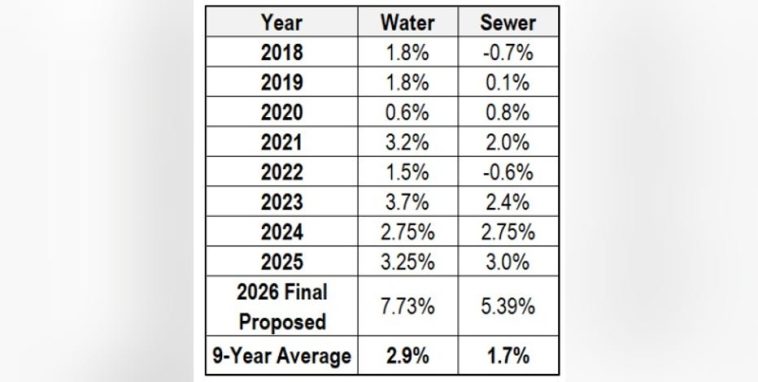
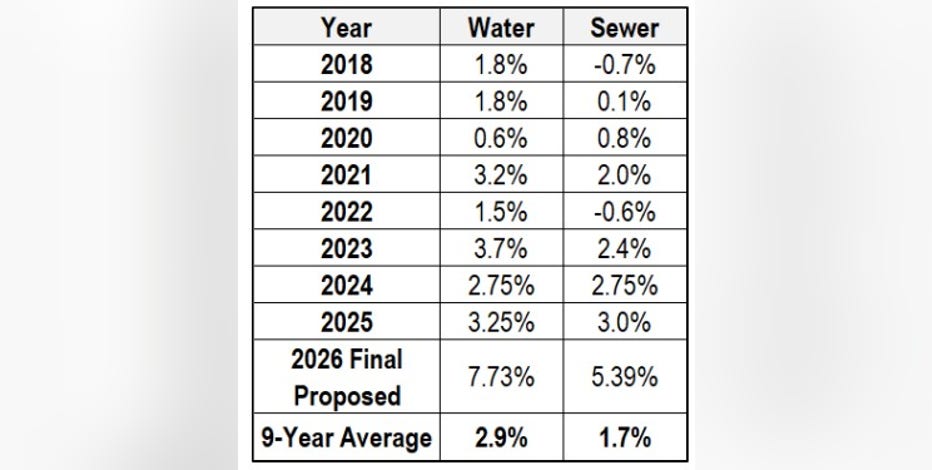
At its core, the GLWA proposal calls for an increase of 6.8% in water rates and 5.9% in sewer rates for fiscal year 2027. According to the authority, these changes are designed to provide an additional $7.5 million in funding for a strategic watermain replacement program. Recent major watermain breaks in Detroit and Oakland County have underscored the need for substantial repair and upgrades. However, even though the authority stresses that such requests are made only after careful consideration, many residents feel uneasy about the potential long-term financial effects.
The GLWA defends its decision by citing critical capital needs, higher operational costs including chemicals, utilities, and construction fees, as well as economic and inflationary factors. The agency also notes that over the past decade, on average, water system charge adjustments have only hovered a little above 3% and sewer system adjustments just above 2%. Even with these lower averages over 10 years, the current situation is proving especially nerve-racking for residents with limited incomes and unpredictable budgets.
How the Rate Hikes Affect Fixed-Income Households
For many in Metro Detroit, even a modest rate increase can cause undue stress. Paul Koncz, a 79-year-old resident on a fixed income from Utica, expressed his concerns by stating that he may have to cut back on other essential expenses. Likewise, Anthony Lambert from Southwest Detroit worries that the additional costs will disrupt his ability to pay for other critical items like gas, electric bills, and rent. These testimonials are a reminder of the very real and personal challenges that come with increased utility costs.
Below is a bulleted list summarizing the challenges faced by fixed-income households:
- Reduced disposable income leading to cutbacks on other essential services
- Difficulty in balancing rising utility bills with preexisting financial obligations
- An increased sense of economic instability due to unexpected rate hikes
- Potential long-term impacts on quality of life and community well-being
When families are forced to steer through these tangled issues, the effect can be magnified even further by the uncertainties of the current economic climate.
Infrastructure Investment: A Necessary, Yet Controversial, Step
In defense of the proposed rate hikes, the Great Lakes Water Authority highlights that the funds are essential to upgrade an aging and stressed regional infrastructure. The water and sewer systems in Metro Detroit serve nearly half of Michigan’s population—a figure that underscores both the importance and the burden of maintaining these systems.
Supporters of the rate increases argue that the additional revenue will help pay for:
- Expansion of watermain replacement programs
- Emergency repairs following catastrophic breaks
- Upgrades aimed at making the system more resilient and efficient
While these investments are super important for ensuring the longevity and reliability of the water system, many in the community continue to contend with the immediate, often overwhelming, financial pressures of the increases. It is vital for stakeholders to take a closer look at whether these initiatives truly balance long-term benefits with short-term affordability.
Community Reactions: The Voices from Detroit
Across Metro Detroit, concern is mounting over just how sustainable these rate increases will be for the community. Local officials, including Utica Mayor Gus Calandrino, have acknowledged the authority’s need for investment but also emphasized that continuing rate hikes can quickly become unsustainable for many households. The mayor noted that residents have repeatedly complained about water affordability, and with a combined increase of 38.75% since 2018, there is a growing disconnect between policy and personal finances.
Many community members feel intimidated by the tangled and sometimes confusing bits of how these charges accumulate. For some, the proposed rate hikes add another layer to an already complicated budget. A table summarizing community concerns might be helpful:
| Concern | Impact |
|---|---|
| Fixed Incomes | Increases force the need to tighten budgets, sacrificing other essentials |
| Long-Term Affordability | Rate hikes can outpace inflation, leading to sustained financial drain |
| Infrastructure Upkeep | Critical repairs are delayed if funds are insufficient, risking future breakdowns |
| Communication | Insufficient clarity regarding how funds are allocated adds to resident anxiety |
This table underscores the fact that while infrastructure maintenance is a key necessity, the human side of these increases cannot be overlooked.
Regional Economic Pressures and the Bigger Picture
The story doesn’t stop at just water and sewer rates. The economic reality in Metro Detroit is full of issues that are tangled together—from rising fuel costs to the struggle of balancing household expenses in an environment loaded with social and economic challenges. The proposed changes by GLWA serve as a microcosm of larger economic dilemmas that communities face when essential services become expensive.
There is an intricate interplay between increased operational costs for utilities and the pressure that consumers feel on a daily basis. Over the past several years, double-digit hikes in the cost of chemicals, construction, and energy have all contributed to raising the price bars in every sector, not just public utilities. Residents are now forced to grapple with these overlapping expenses as they try to manage their way through financial uncertainty.
How to Prepare for Future Increases: Tips for Households
Given the probability that water and sewer rate hikes might not be the last surprise for households, it is useful to consider practical strategies to manage these changes. Here are some tips for residents looking to make their way through these overwhelming additions to their monthly bills:
- Budget Wisely: Take a closer look at monthly expenses and identify which areas can be trimmed or optimized.
- Monitor Usage: Conserve water where possible, which could help slightly mitigate the overall cost impact.
- Seek Assistance: Look for local programs or subsidies that can assist low-income households in managing rising costs.
- Plan Ahead: Evaluate long-term financial plans, including savings or adjustments in other areas, to prepare for future increases.
Managing your way through these challenging times requires a combination of personal responsibility and proactive measures. It’s a reminder that while policy decisions at higher levels drive many of these changes, the responsibility to adapt often falls on individuals and households.
Public Policy and the Role of Local Officials in Addressing Affordability
The proposed rate hikes have triggered a strong reaction from local officials who argue that even necessary upgrades should not come at the expense of community affordability. In discussions with various local leaders, the sentiment is that policy-makers need to provide a clear, transparent plan—not just for how funds will be raised, but also for how the burden will be eased on those most affected.
Local governments and community advocates are calling for measures that include:
- Enhanced subsidies for low-income households
- More flexible payment plans that can better accommodate financial constraints
- Improved communication about where every penny is going within the infrastructure projects
When making difficult choices about monetary policy, it is essential for local officials to maintain a balance between the need for strategic investments in the water system and the immediate, practical needs of everyday citizens. These discussions are not just about dollars and cents, but about the quality of life, social stability, and community trust.
Balancing Long-Term Investment and Short-Term Affordability
Critics of the proposed rate increase point out that while infrastructure investments are key, the meticulous details—often hidden within long documents and budget proposals—can be overwhelming for the average resident. For many, confronting these rate hikes is like being caught up in a series of confusing bits and nerve-racking twists and turns.
To put these issues in perspective, consider the following points:
- The water system charges have seen a combined jump of 38.75% since 2018, an increase that far outstrips inflation.
- Each increase forces residents to work through a challenging balancing act between maintaining essential services and meeting other financial obligations.
- The decision-making process behind these increases involves numerous small distinctions and fine shades of fiscal responsibility and future planning.
Even though the GLWA’s long-term record shows modest annual adjustments on average, the current proposal might feel like a sharp departure from the status quo. The real issue here is finding a way to make critical investments in our infrastructure without overburdening families who are already trying to figure a path through tight budgets.
Community Engagement: How Residents Can Get Involved
The discussion surrounding water and sewer rate hikes is not confined to boardrooms or policy meetings—it’s one that directly impacts all of us. With growing community unrest, residents are increasingly voicing their opinions, attending local meetings, and even participating in public hearings. Here are some ways community members can actively get into the process:
- Attend Public Forums: Keep an eye on community board meetings where the proposed changes will be discussed. Your voice matters.
- Engage with Local Leaders: Contact your local officials to express your concerns about short-term cost challenges and ask for clearer plans on offsets and subsidies.
- Educate Yourself: Learn about not just the overall rate hikes, but the little details that go into how water rates are determined—this will help in asking informed questions.
- Join Community Groups: Many local organizations are forming coalitions to ensure that the rate increases are implemented in a fair and transparent way.
By taking an active role, residents have the potential to influence decision-making in ways that might lead to more balanced solutions. After all, when everyone works together to sort out these tricky parts of community challenges, the burden is shared and solutions tend to be more sustainable in the long run.
Sifting Through the Small Distinctions of Infrastructure Funding
The debate on infrastructure funding often comes down to weighing the immediate financial impact on households against the long-term benefits of a safe, reliable water supply. The GLWA is trying to point out that over the last several years, operational costs have ballooned due to various factors such as chemical price hikes, utility increases, and the need for regular maintenance on an aging system.
Despite all these justifications, many residents continue to feel that these new charges add layers upon layers of intimidating challenges. They worry not only about their ability to pay next month’s bills but about the potential ripple effects on their overall financial security. When decisions feel loaded with issues that are both direct and indirect, it becomes a public policy debate that is as much about community trust as it is about infrastructure.
Strategies for Building Resilience Amid Rising Utility Costs
In the midst of these nerve-racking developments, it is important to explore strategies for building personal and community resilience. Here are additional tactics to consider:
- Diversify Household Budgets: Consider areas where it might be possible to save—such as energy efficiency improvements or water-saving fixtures—to help lighten the load.
- Community Programs and Assistance: Advocate for or participate in community-run programs aimed at assisting residents with rising utility costs.
- Emergency Funds: Establishing a small emergency fund, even if it is modest, can help cushion the impact of sudden expenses. Finding your path through tight financial times may require a little extra saving.
- Neighborly Support: Sharing ideas and resources among neighbors can often reveal creative ways to conserve water and cut down on costs.
Resilience isn’t built overnight, but with coordinated community efforts and the willingness to adapt, both households and local governments can figure a path through even the most overwhelming challenges.
Looking Ahead: The Future of Water Rates in Metro Detroit
The proposed nearly 13% increase in water and sewer rates is not simply a number—it represents a shifting landscape in public utility management and community living. The coming months will be critical as the GLWA board prepares for its scheduled vote on these increases. The outcome will undoubtedly set a precedent for how infrastructure investments are balanced against cost to consumers in the region.
While many feel that the immediate financial impact is heavy, supporters of the rate hike argue that innovative investments today can lead to a more resilient water system tomorrow. This approach—investing in essential improvements despite the short-term challenges—relies on the belief that forward-thinking policy ultimately benefits everyone.
As the debate continues, Metro Detroit residents find themselves at a crossroads between accepting necessary infrastructure upgrades and managing everyday expenses. It is a balancing act with subtle details and small distinctions, and there is no one-size-fits-all answer. Every household’s experience is unique, making it critical for public officials to engage in meaningful dialogue with the community.
Final Thoughts: Weighing the Costs and Benefits for the Community
In conclusion, the proposed rate hikes exemplify a difficult conundrum. On one hand, the additional revenue is super important for keeping the region’s water and sewer systems functional and safe. On the other, the increase places a significant burden on many households already juggling a host of other expenses. The reaction from residents—from the unease of those on fixed incomes to the rallying calls from local leaders—shows that these changes are more than mere accounting figures; they are a litmus test for community resilience and fairness.
Moving forward, there must be a commitment to transparent communication. The GLWA and local officials need to work together to ensure that rate changes are implemented in a way that does not push families to the edge. Effective planning, clear-cut details in budget proposals, and practical measures to help those most vulnerable are all essential pieces of the puzzle.
It is our hope that by openly discussing the issues at hand—from the confusing bits of operational cost adjustments to the overwhelming challenges faced by families—the community can come together to sort out these troubling issues. Metro Detroit is a community built on resilience and mutual support, and it is vital that every stakeholder works to ensure that infrastructure investments do not come at the expense of those who can least afford these increases.
The conversation around water and sewer rate hikes is far from over. While there is a need to invest in aging systems and prevent future breakdowns, the voices of everyday residents must guide policy decisions. Only by acknowledging the tangible impact on households and taking concrete steps to help those who are most impacted can a truly balanced and fair solution be reached.
As we look toward the future, let us remember that every decision has a ripple effect. The current proposal is not an isolated incident—it is a reflection of larger economic trends, technological challenges, and the delicate balance between public investment and personal financial well-being. In these trying times, communities that stand together and share the burden have a much better chance of emerging stronger, more prepared, and better able to steer through future challenges.
Ultimately, whether you are a long-term resident or a newcomer to the area, the effects of these changes will be felt by all. It is essential for community leaders, policymakers, and citizens alike to remain engaged, informed, and supportive of measures that combine critical investments with practical relief for those who need it most. By working together to address these intertwined issues, we can create a future where our essential services are maintained and improved, without sacrificing accessibility and affordability for our most vulnerable residents.
The rising water and sewer rates in Metro Detroit may seem scary and intimidating, but with open dialogue, clear strategies, and the strength of community spirit, there is a path forward. The situation demands that we take a closer look, ask the right questions, and work proactively to strike a healthy balance between necessary upgrades and the real-world financial challenges faced by all.
Key Takeaways and Community Recommendations
To summarize the discussion, here are some of the essential points and recommendations for the community:
- Understanding the Numbers: The proposed increases, while aiming to fund critical infrastructure projects, add a notable financial burden, especially when considered against the backdrop of long-term inflation and existing cost pressures.
- Community Engagement: Residents are encouraged to attend local meetings and communicate their concerns directly to decision-makers. Active participation can help ensure that the nuances of affordability are not overlooked.
- Balanced Investments: While investing in the water system is necessary, it is equally important to ensure that those costs are not disproportionately borne by families on fixed incomes.
- Creative Solutions: Exploring alternative funding options, expanding subsidy programs, and improving transparency in budget allocations can play a significant role in easing the process.
Each of these points represents a little twist in the overall narrative—a reminder that small actions and informed discussions can contribute to solving some of the most complicated pieces of our modern economic challenges.
In the coming months, all eyes will be on the GLWA board’s decision. Regardless of the outcome, the lessons learned from this experience will likely shape the way Metro Detroit—and potentially other regions—approaches the balancing act of making necessary infrastructure investments while keeping essential services affordable for every resident.
It is our firm belief that through thoughtful dialogue, responsible planning, and unwavering community support, the road ahead, although full of tricky parts and occasional nerve-racking turns, can be navigated successfully. Let us all work together so that no household is left struggling under the weight of these rising costs, ensuring that our water and sewer systems serve as a backbone of safety, reliability, and community well-being for generations to come.
Originally Post From https://www.wxyz.com/news/metro-detroit-faces-nearly-13-water-and-sewer-rate-hike-as-residents-struggle-with-costs
Read more about this topic at
U.S. Water and Sewer Bill Has Increased 24% in Five …
Why water bills have been rising at twice the rate of inflation