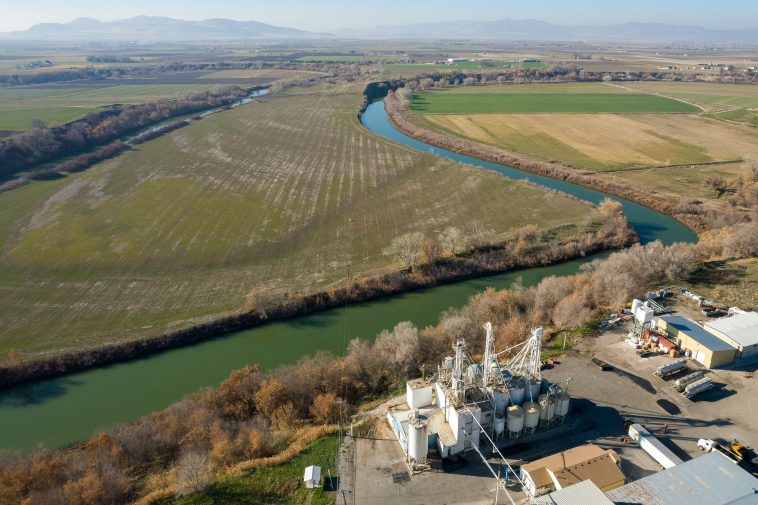

Farmers under Pressure: A Shifting Landscape in Great Lakes Agriculture
For many years, the picturesque farmland that skirts the Great Lakes region symbolized stability and promise. However, recent economic pressures and global supply chain disruptions have pushed farmers into a state where every decision carries a significant risk. This editorial explores the challenging conditions many Great Lakes farmers are facing, the rising costs of essential inputs, and the broader impact these changes have on rural communities and consumers alike.
Brain Neff’s experience is one such story that illustrates the current difficulties. Fresh out of a long career in the Air Force, Neff turned his attention to a family had farm near Traverse City, Michigan, once cherished by his wife’s grandparents. With dreams of transforming this land into a destination farm—reminiscent of his travels in California and beyond—Neff looked forward to a profitable future. But despite his hopes, escalating costs, especially in fertilizer prices, have forced him and many of his contemporaries to reconsider their strategies.
Rising Fertilizer Prices and Their Impact on Crop Yields
The challenges are not merely confined to soil or seeds but also stem from the ever-rising costs of inputs like fertilizers. Neff, for instance, observed a significant increase in the price of urea—a chemical fertilizer—from $612 to $892 in just a year. This dramatic jump forced him to make a tough choice: to forego fertilizer applications that would have otherwise boosted his hay production. Neff’s decision, viewed within the context of his overall operation, highlights a concerning trend for farmers across the Great Lakes and other regions alike.
Managing Your Way Through Fertilizer Cost Increases
Farmers are now forced to weigh the benefits of fertilizer use against its mounting costs. Here are some key insights into this pressing issue:
- Escalating Costs: The steep price rise affects not just profit margins but also the yield quality—forcing many to reduce inputs and accepting lower harvest volumes.
- Crop Yield Impact: Without sufficient fertilizer, crops often produce less output, reducing the overall financial return from each acre.
- Budget Adjustments: Increased fertilizer costs mean farmers must rework their entire budget, often cutting corners in other areas to make up the difference.
- Long-Term Concerns: These quick-fix decisions might have lingering impacts, shaping the farm’s productivity and sustainability for many seasons to come.
These points make it clear that high fertilizer costs are not an isolated nuisance but a central challenge that demands innovative solutions. Much like finding your way through a maze full of tricky parts and tangled issues, farmers are forced to experiment with alternate fertilization methods or consider organic alternatives which, although promising, come with their own set of complex pieces.
Tariffs, Global Supply Disruptions, and the Ripple Effects on Agriculture
Another significant twist in the tale has been the imposition of tariffs and ongoing global supply chain interruptions. In February 2025, sweeping trade policies, including a 25% tariff on imported steel and aluminum, had unexpected repercussions for the agriculture sector. Farm equipment manufacturers saw an increase in the cost of parts—everything from tractors to transportation vehicles experienced price hikes. These additional expenses, when combined with already soaring fuel costs, create an environment where every extra dollar spent cuts deeper into a farmer’s thin profit margins.
Impact of Tariffs on Farming Operations
Tariffs have sent shockwaves not just through industrial sectors but also directly into the fields:
- Equipment Costs: With tariffs increasing prices on steel and aluminum, purchasing or repairing essential farm equipment becomes significantly more expensive.
- Increased Maintenance Expenses: Replacement parts and machinery repairs have become nerve-racking in terms of budgeting, forcing farmers to delay or cancel critical upgrades.
- Transportation Disruptions: The ripple effect of tariffs extends to the cost of moving goods, contributing to an overall increase in the expense of fishing products and agricultural supplies.
These global supply issues are compounded by regional challenges such as the closure of critical maritime passages like the Strait of Hormuz. Approximately 25% of the world’s oil travels through this narrow passage, and its closure has disrupted oil flows and created immediate price hikes that affect everything from diesel fuel costs to the final price on consumer goods. For instance, farmers who once filled tanks at prices below $3 per gallon now face prices approaching $6 per gallon. Such dramatic shifts add another layer of complicated pieces to the already intricate puzzle of running a modern farm.
Global Supply Chain Disruptions and Their Local Impacts
The effects of global policies and geopolitical tensions are often felt most acutely at the local level. Here’s a look at how these disruptions affect rural America:
| Challenge | Impact on Farmers | Broader Implications |
|---|---|---|
| Tariffs on Raw Materials | Higher equipment and repair costs | Reduced farm operational budgets |
| Fuel Price Increases | Higher transportation and operational costs | Increased food prices at retail |
| Fertilizer Supply Shortages | Inadequate crop yield and lower quality harvests | Potential food scarcity or price hikes |
This table illustrates that when external factors like tariffs and geopolitical decisions come into play, the entire agricultural ecosystem feels the pressure. The intertwined nature of these issues means that even small shifts on the global stage send ripples across local farms, disrupting not only production but also entire communities that rely on agriculture for their livelihood.
The Weight of Economic Headwinds on Rural Communities
Beyond the tangible financial losses, there’s an intangible, yet equally significant, toll on the mental and emotional well-being of farmers and their families. Reports indicate that nearly 70% of American farmers currently believe they cannot afford the necessary fertilizer, while almost half of Midwestern farmers struggle to purchase all the supplies needed. For a community where agriculture is more than just a job—it’s a way of life—the mental stress brought on by these unpredictable and strenuous times is both intense and far-reaching.
Emotional Strain and Community Impact
Agriculture has always been cyclical, a blend of hope and hardship. However, the recent trends introduce several nerve-racking twists that add to the emotional burden. Consider the following aspects that demonstrate the human dimension of these challenges:
- Mental Health Concerns: The financial pressures and unpredictability associated with farming have led to heightened anxiety among farmers. The stress of not knowing whether one’s farm will break even or suffer significant losses creates a pervasive sense of unease.
- Community Well-being: Farming families often support entire local economies. When a farm struggles, so do the small towns that depend on its success, leading to a cascade of economic and social issues.
- Long-Standing Traditions at Risk: Agriculture is deeply interwoven with regional identity. The threat of reduced profitability and potential farm closures endangers longstanding traditions, cutting across generations and altering the cultural fabric of the region.
Experts warn that the long-term consequences could include a reduction in the number of active farmers, more bankruptcies, and, in worst cases, alarming rises in mental health issues, substance abuse, and even suicides. The overwhelming narrative is one of uncertainty—a future where the emotional toll is as real as the financial one.
Short-Term Decisions Versus Long-Term Sustainability
In the present moment, many farmers are forced to make difficult choices to stay afloat. Neff’s decision to skip adding urea fertilizer to his grass hayfields exemplifies how short-term fixes can have long-term implications. By opting out of fertilization, he has temporarily relieved some of the immediate financial pressure. Yet, the trade-off is a likely reduction in the yield of his first cutting—a decision that might pay off in the short run but could complicate future production cycles.
Balancing Immediate Needs with Future Challenges
Farmers today find their decision-making riddled with tricky parts and subtle details. Here are some of the key factors influencing their choices:
- Budget Constraints: With rising operational costs, every dollar spent is scrutinized. Even a gear or partial fertilization method that seems appealing may not be financially feasible.
- Risk Management: The unpredictable nature of prices—whether for fertilizers, fuel, or raw materials—forces farmers to build in risk buffers, leading to conservative spending that may hamper productivity.
- Investment in Equity: In hopes of a turnaround, many farmers, like Neff, continue to pour their own funds into their operations. This self-investment is critical but also underscores the harsh reality that without broader systemic changes, these efforts may only be a temporary band-aid.
This delicate balance between meeting immediate operational needs and securing long-term sustainability is reminiscent of working through a maze of little twists and confusing bits. It requires not only a keen understanding of the nitty-gritty details of farming but also the resilience to persevere through constant change. Every decision is layered with economic and emotional consequences, demanding that farmers find innovative ways to maintain productivity in an overwhelmingly unpredictable market environment.
Exploring Alternative Strategies in a Tense Environment
As traditional methods of farming come under pressure from external forces, many are beginning to explore alternative strategies to help ease the financial burden and stabilize production. For instance, some farmers are turning to organic farming techniques or experimenting with crop diversification to mitigate reliance on expensive fertilizers. These alternative approaches, while promising, come with their own sets of challenges and require a complete rethinking of time-honored practices.
Diving Into Organic and Sustainable Farming Methods
Organic farming has emerged as a discussion point for many who are sick of the nerve-wracking price swings of conventional inputs. Here are some aspects that make organic methods appealing amid today’s economic uncertainty:
- Reduced Dependence on Chemical Inputs: By avoiding synthetic fertilizers, farmers may reduce their vulnerability to price fluctuations and supply disruptions.
- Enhanced Soil Health: Organic practices often focus on improving soil biology through composting and crop rotations, potentially leading to better long-term yields.
- Consumer Demand: There is an increasing market for organic products, which can sometimes command premium prices and help offset operational costs.
- Sustainability Focus: Moving to organic methods supports not only economic sustainability but also environmental stewardship, a critical concern in the face of global climate change.
Yet, organic farming is not a panacea. Transitioning to these practices involves a steep learning curve and up-front investments which could seem off-putting at a time when cash flow is critical. Moreover, the market for organic products is competitive, and there is an ongoing need to ‘figure a path’ through certification processes and consumer education to fully realize the benefits.
Global Trade Policies and Agricultural Future
National policy decisions have left a profound mark on the workings of modern agriculture. The implementation of tariffs by the Trump administration, along with the geopolitical tensions affecting oil supplies, have created a climate where external decisions directly impact local farm finances. For many, the market uncertainties are not something to simply weather but issues that reshape the entire trajectory of agricultural productivity.
Dealing with Tariffs and Supply Chain Setbacks
Several core issues emerge when we consider current trade policies and global market disruptions. Let’s break down the scenario:
- Tariff Fallout: The imposition of tariffs on essential goods has led to an escalation in costs for machinery, parts, and even everyday supplies. This is felt deeply on the farm where budgets are already stretched thin.
- Geopolitical Instability: The closure of critical passages such as the Strait of Hormuz has a cascading effect on fuel prices, which in turn pushes up the cost of everything from harvesting to transporting produce.
- Long-Term Viability: These factors are not merely short-term hurdles. If current trends continue, the cumulative effect could lead to permanent reductions in farm numbers and increased financial insecurity among those who remain.
Economists and industry insiders warn that such persistent pressure may eventually force many to exit the market. While today’s generation of farmers has shown remarkable ingenuity, the long-term picture could see significant changes in the face of ongoing economically tangled issues.
Food Security and Consumer Costs: The Domino Effect
The economic strain experienced by farmers does not merely remain confined to the fields. The rising costs are ultimately passed along the supply chain, affecting consumers across the nation. With fuel costs soaring and fertilizers increasingly expensive, the price of food is destined to rise. This creates a domino effect that ripples all the way to grocery store shelves.
How Rising Costs Affect the Grocery Basket
Understanding the chain reaction in agricultural economics can help shed light on what the future holds. Below are some of the key areas where consumers may feel the pinch:
- Food Prices: Higher production costs translate into more expensive food items—impacting everything from staple crops to dairy and meat products.
- Supply Shortages: Reduced yields mean fewer products on the market, which could drive up prices even further as demand outpaces supply.
- Economic Ripple Effects: As food becomes more costly, households must rework their budgets, potentially reducing spending in other critical areas of life.
This situation brings into focus the interconnectedness of agricultural practices, global policies, and daily consumer choices. It highlights how the complicated pieces of modern trade and production can have far-reaching consequences, essentially demonstrating that everyone ultimately pays the price for these global challenges.
Community Responses and Collaborative Solutions
Despite the numerous challenges, many communities and organizations are rallying around the cause of supporting farmers. Government programs, university extension services, and local cooperatives are stepping in to help ease the load on rural families. These initiatives aim not only to provide financial assistance but also to offer expertise on alternative farming techniques and risk management practices. In this way, community responses are becoming as crucial as global policies in shaping the agricultural future.
Local Initiatives and Educational Programs
Collaboration has emerged as a super important aspect of modern farming. For example, educational efforts provided by organizations such as Michigan State University’s Extension program are reaching out to farmers to help them adapt to the new economic realities. Some of the areas of focus include:
- Innovative Farming Techniques: Introducing new approaches to crop rotation, soil management, and integrated pest control can reduce reliance on expensive inputs.
- Financial Literacy Workshops: Helping farmers better manage their budgets and plan for diminishing margins is one step toward long-term sustainability.
- Community Cooperatives: By banding together, farmers can pool resources, share equipment, and negotiate better prices for supplies.
- Research and Development: Joint research initiatives aim to develop alternatives that can withstand the nerve-racking economic pressures of today’s market.
Local committees and policy advocates are also working in tandem to push for changes at the state and federal levels. By shining a light on the fine points of the situation, these groups hope to craft policies that recognize the limited buffers available to local farmers and provide them with the tools necessary to thrive under current conditions.
Planning for an Uncertain Future in Agriculture
The current state of agriculture in the Great Lakes region is a microcosm of broader global challenges. With supply chains disrupted by policy decisions and geopolitical tensions, farmers now operate in an environment filled with problematic twists and turns. Financial forecasts that once promised stability have turned into nerve-racking projections, leaving many to wonder how the next season will turn out. Yet, in the midst of these trials, there remains a resilient spirit among those who work the land.
Staying Resilient in a Challenging Climate
Resilience comes in many forms, and in the world of farming, it often means adapting continuously to ever-changing conditions. Farmers are embracing strategies that help them manage immediate pressures while keeping an eye on long-term goals. Some approaches include:
- Innovative Crop Management: Experimenting with new crop varieties that require less fertilizer is one way to cut down on input costs while maintaining nutritional yield.
- Investment in Technology: Precision agriculture tools that optimize resource use help to stretch every dollar and improve efficiency across fields.
- Financial Planning: More sophisticated budgeting and risk management strategies enable farmers to prepare for unexpected shifts in prices and market conditions.
- Collaboration with Peers: Sharing experiences and solutions among local farming communities creates a support network that is invaluable during tense economic times.
While these steps might seem like merely finding your way through confusing bits, they represent the best hope for a future where agriculture can continue to sustain the nation without sacrificing the well-being of those who have dedicated their lives to the land.
A Call for Broader Policy Reforms and Sustainable Practices
Ultimately, the struggles faced by farmers cannot be resolved by individual efforts alone. There is a pressing need for reforms on a national and international scale. Policies that take into account the complex interplay of tariffs, fuel prices, fertilizer costs, and even mental health are essential. Agricultural stakeholders are calling for a more balanced approach—one that recognizes the contributions of farmers while mitigating the highly charged, global economic forces that are currently creating so many tricky parts.
Policy Recommendations and Community Engagement
Some of the super important measures that could help stabilize the situation include:
- Reevaluating Tariff Structures: Adjustments in tariff policies could alleviate some of the hidden complexities affecting equipment and fuel prices.
- Enhanced Subsidies for Key Inputs: Government assistance to help cover the rising costs of essential supplies like fertilizer would provide much-needed relief for farmers.
- Investment in Renewable Energy: Given the volatile nature of oil prices, promoting alternatives such as biodiesel or solar-powered farming equipment could reduce dependency on external fuel sources.
- Support for Rural Mental Health Programs: Addressing the emotional stress and mental health issues that are increasingly burdening farming communities should be a policy priority.
These recommendations reflect a broader desire to find a path through an environment that is as challenging as it is unpredictable. Only by taking a comprehensive approach can policymakers and community leaders hope to ease the nerve-racking economic pressures that threaten the sustainability of American agriculture.
Final Thoughts: Embracing Resilience Amid Turbulence
The story of Great Lakes farmers today is not one of failure but one of profound resilience in the face of overwhelming external challenges. The decisions made by individuals like Brain Neff—decisions that may result in reduced yields today—speak to a broader, shared determination among farmers to keep the legacy of their land alive. Amid rising costs, confusing bits of policy, and global disruptions, these agricultural communities are continuously working through the tangled issues of modern farming with creativity and resolve.
At the same time, consumers and policymakers alike must recognize that the future of food security depends on a stable and supported agricultural sector. What may start as a local farm’s struggle ultimately has wide-reaching implications: the cost of groceries, the health of rural economies, and the cultural heritage of farming. When communities and governments work together, there exists the possibility not only to adapt to the current trials but also to build a foundation strong enough to meet future challenges.
In this era, every dollar spent on fertilizer, every extra cent on equipment, and every moment of mental strain faced by a farmer resonates through the entire supply chain. The collective effort of making your way through these tricky parts, sorting out the tangled issues, and managing your way through economic challenges is a testament to the enduring spirit of American agriculture.
As we look to the future, the hope is that collaborative solutions, enhanced by smart policy and technological innovation, will pave the way for a farming model that is not only profitable but also sustainable and resilient. It is a call to action for rural communities, consumers, and policymakers to stand together and work tirelessly towards a promising agricultural future.
While the current outlook may seem full of problems and nerve-racking twists, history has shown that American farmers have the strength and ingenuity to overcome even the most complicated pieces of adversity. By embracing both immediate solutions and long-term reforms, there is hope that the Great Lakes region—and indeed the entire nation—can continue to thrive, even when the world around us is in flux.
This editorial serves as both an acknowledgment of the daunting struggles farmers face today and a rallying cry for all stakeholders to come together. In a time of global uncertainties, it is critical that we all find our way through these challenging times and support the resilient hearts and hardworking hands that bring food to our tables.
In conclusion, as we digest the heavy realities of rising fertilizer costs, tariff-induced price hikes, and ongoing supply chain disruptions, we must not lose sight of the intrinsic value in maintaining a robust agricultural system. By recognizing the interconnected nature of market forces, global policies, and local community well-being, a new chapter in American agriculture can emerge—one defined not by its challenges, but by its unwavering determination to adapt and flourish.
Ultimately, we are reminded that the journey through these rough patches—filled with confusing bits, intricate twists, and nerve-racking decisions—is one that has been traveled before and will be traveled again. With the right mix of innovation, resilience, and community support, there is every reason to believe that the future of farming in the Great Lakes region—and beyond—remains a promising horizon for generations to come.
Originally Post From https://www.greatlakesnow.org/2026/05/15/the-outlook-is-pretty-bleak-farmers-brace-for-a-difficult-season/
Read more about this topic at
‘The outlook is pretty bleak’: Farmers brace for a difficult …
Another bleak year predicted for crop farmers