
Community Perspectives and Environmental Realities: An Opinion Editorial on Michigan’s Current Events
This opinion editorial takes a look at some of the most talked-about events and issues shaping our Michigan communities. From community leaders coming together to condemn contentious law enforcement actions, to environmental challenges that directly affect the outdoor recreation experience, this editorial examines the tangled issues and subtle details that influence how we experience travel and life in the Great Lakes State. In doing so, we aim to find clarity amid the confusing bits and twists and turns of local news, while offering some insight for travelers, nature enthusiasts, and community members trying to figure a path through these times.
In the following sections, we will get into community responses to ICE actions, explore the impact of PFAS contamination on Michigan’s waters, and consider how winter weather and public safety interventions shape travel experiences. We will also discuss how local leaders articulate their standpoints and what this means for Michigan’s identity as a state rooted in both community values and natural beauty.
Community Leaders Stand United: A Response to ICE Practices
In recent weeks, officials, clergy, and community leaders in Grand Rapids gathered at a press conference to speak out against recent efforts by the U.S. Immigration and Customs Enforcement (ICE). The press event showcased the community’s determination to address issues related to immigration policies—issues that have become particularly intimidating and nerve-racking for many local residents. While some see ICE’s approaches as part of a federal mandate, local voices have expressed that these methods do little to build trust or respect the varied identities that enrich the community.
At the heart of the matter are several tricky parts relating to migration policies, where the enforcement practices have some tangled issues and confusing bits that make reconciliation a challenging process. Community leaders argue that while national security remains a key concern, it is equally important to consider the human impact of these measures. Their combined message reflects a sentiment common among many Michigan residents: that compassion and respect should guide how policies are applied.
Understanding the Community’s Standpoint on ICE Enforcement
The response from Grand Rapids’ community is not isolated. Across the state, many communities are finding it off-putting to see policies implemented in ways that seem to ignore the little details—the subtle parts—that make up the human experience. The press conference in Grand Rapids was a clear display of local activism as leaders attempted to steer through the maze of federal law enforcement. They took a closer look at the need for a balance between law and compassion.
This sentiment resonates well with those who enjoy exploring Michigan’s vibrant neighborhoods and its diverse cultural scene. For travelers coming from different parts of the world, the clash between federal policies and community values may appear as just another one of the tricky parts that make this region both fascinating and challenging.
ICE Policies and Their Ripple Effects on Local Communities
While the ICE controversy may not directly influence travel itineraries for many visitors, it is important to recognize its broader implications. Such policies can add layers of tension when planning visits to cities like Grand Rapids, where community solidarity remains high and authorities are expected to treat every individual with dignity. For those exploring local heritage and historical sites, encountering a politically driven atmosphere might call for a more nuanced understanding of the community context.
Travelers who wish to dig into the local culture should be aware that community events, town hall meetings, and local gatherings occur against this backdrop of political and social debate. Often, it is these gatherings that offer rich insights into the true nature of a place—insights that can enrich one’s overall travel experience.
PFAS Contamination in Michigan Waters: What Outdoor Enthusiasts Need to Know
For those in the travel and outdoor recreation arena, Michigan’s natural beauty cannot be overstated. However, environmental concerns such as PFAS (per- and polyfluoroalkyl substances) contamination in lakes and streams are a growing worry. PFAS, often referred to as “forever chemicals,” have been shown to impact aquatic life and consequently affect the safety of fish consumption—a subject loaded with tension for environmentalists and local residents alike.
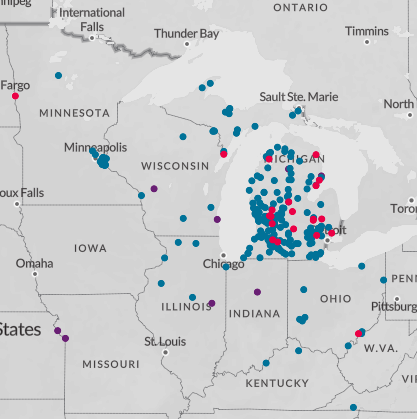
A new interactive mapping tool has been launched to help fishermen and residents alike get a closer look at which lakes and streams have been affected by these chemicals. This tool provides critical information on fish advisories by marking red dots—areas where fish are not considered safe to eat—and yellow dots where consumption is allowed in limited quantities.
How the Interactive Map Works to Guide Locals and Visitors
The interactive map is an essential resource for those who appreciate the outdoors and want to enjoy Michigan’s abundant water bodies safely. For instance, fishermen may use this tool to figure a path through the region’s waterways by checking advisories before planning a fishing trip. The map, updated each spring with data from the Department of Health and Human Services, illustrates which areas have been flagged for consumption advisories and highlights the subtle differences between safe and risky fishing spots.
Local environmental groups, including the Great Lakes PFAS Action Network, stressed that the guideline for safe fish consumption has shifted significantly—from a limit of 300 parts per billion to just 50 parts per billion. This dramatic shift has caused many water bodies that were once considered safe to be reclassified. Prior to the change in standards, only 33 water bodies carried do-not-eat advisories; now, the number has skyrocketed to 102. This drastic change highlights the nerve-racking reality of how environmental standards can rapidly evolve and force communities to make quick decisions.
Long-Term Implications of PFAS in Outdoor Recreational Planning
As families, anglers, and tourists ponder over planning their next outdoor adventure, PFAS contamination adds another layer of complexity—another of those complicated pieces that require careful planning. Policymakers and environmental scientists continue to poke around the challenges, seeking ways to mitigate the risks associated with PFAS exposure. In the meantime, local communities have been advised to consult the interactive map to understand which elements of their favorite outdoor spaces are safe and which might be off limits.
This ongoing environmental issue underscores how intricate the relationship is between community health and environmental stewardship. For outdoor enthusiasts visiting Michigan, staying informed and taking advantage of available tools to check water quality can significantly reduce the risk associated with recreational activities like fishing or even river swimming.
Weather-Related Challenges: Winter Storms and Public Safety Strategies
Michigan is well-known for its stunning winter landscapes that attract a significant number of travelers. However, as any resident or visitor can attest, winter in Michigan comes with its own set of intimidating and off-putting hazards. The area has recently experienced heavy snowfall, prompting school closures, road warnings, and even extending the operating hours of emergency shelters such as Safe Harbor in Traverse City.
Heavy snow, icy roads, and sudden weather changes are among those nerve-racking events that can interrupt local travel plans. For those planning a scenic motor trip or simply enjoying a walk in nature, being aware of these conditions—and how local authorities respond—can mean the difference between a memorable experience and a stressful ordeal.
Safe Harbor and Emergency Shelters: Extending Support During Severe Weather
One notable example of Michigan’s proactive strategies is the extension of operating hours for Safe Harbor, an overnight emergency shelter in Traverse City, due to severe snow and weather conditions. The decision to extend support underscores the state’s commitment to public safety during extreme conditions. For many residents and travelers caught in adverse weather, this shelter extension offers a crucial lifeline.
The protective measures taken by local authorities emphasize the importance of preparedness. While Michigan’s winter landscape can be breathtakingly beautiful, the intermittent harsh weather reminds us that nature also presents some intimidating challenges that require planning ahead. By staying updated through local broadcasts and interactive weather maps, residents and visitors can make informed decisions about when to head out and when to seek shelter.
Travel Tips for Handling Michigan’s Winter Challenges
For those planning trips during Michigan’s winter months, a few key precautions can help manage the tricky parts of winter travel:
- Keep an eye on local weather forecasts and updates from reliable sources.
- Prepare an emergency kit that includes warm clothing, non-perishable food, and necessary medications.
- Plan your road trip routes ahead of time, considering potential closures and delays due to snow or ice.
- Be aware of local emergency shelters and community centers that offer support during severe weather conditions.
- Maintain contact with local friends or tour guides who can help navigate through unexpected weather disruptions.
By incorporating these simple measures, travelers can figure a path through Michigan’s harsh winters while still enjoying its scenic beauty. For many, the trickier parts of winter travel can be transformed into opportunities for cozy moments, scenic drives, and a deeper appreciation for local community resilience.
Outdoor Recreation in Michigan Amid Evolving Community Concerns
Michigan’s appeal as a travel destination extends well beyond its winter weather. The state is replete with outdoor recreational opportunities—from hiking in the Upper Peninsula to fishing in its over 11,000 bodies of water. Yet, even as natural beauty beckons, community concerns over issues such as PFAS contamination and politically charged enforcement practices add additional layers of subtle details to be considered by visitors and residents alike.
For instance, those planning outdoor excursions need to be aware of environmental quality alerts and updates that could impact their recreation plans. Whether you’re heading to a lake for a relaxing day of fishing or exploring a wooded trail, keeping up with local advisories and interactive maps is super important to ensure safety and enjoyment.
Balancing Adventure with Safety in Michigan’s Great Outdoors
Many outdoor enthusiasts argue that part of the Michigan experience involves not only reveling in its visible natural splendor but also making a closer look at areas where environmental challenges pose real risks. The interactive PFAS map is a tool that symbolizes this balanced approach. It takes the guesswork out of identifying which water bodies are safe to fish in and which ones might require caution. This level of detail helps dabble into the broader conversation about preserving Michigan’s natural heritage, one that many believe should be managed with the same care as historic sites and cultural landmarks.
It’s not just about safety; it’s about empowerment. When visitors and residents can access updated and detailed ecological data, it instills confidence in their travel decisions and day-to-day planning. Rather than being overwhelmed by the intimidating aspects of environmental change, people are given an opportunity to take proactive measures. This proactive approach not only safeguards personal health but also supports the broader goal of environmental conservation—a cause that many local community groups actively support.
Integrating Environmental Awareness into Travel Itineraries
For those looking to blend travel with responsible tourism, being aware of the environmental state of Michigan’s water bodies is essential. Visitors are encouraged to:
- Consult the interactive PFAS map before planning water-based activities.
- Engage with local community groups that offer guidance on responsible fishing and swimming practices.
- Keep informed about local environmental policies and community-led conservation initiatives.
- Support businesses and tour operators that advocate for ecological safety practices.
By taking these steps, travelers can help ensure that their adventures are as safe as they are enjoyable. It’s a clear example of how small distinctions between safe and risky practices can combine to shape a positive, informed travel experience.
Community Resilience and the Future of Local Engagement
Whether addressing policy issues like ICE enforcement or grappling with environmental challenges, Michigan’s communities remain full of passion and resilience. The recent press conferences and active community engagements serve as reminders that even in the face of intimidating changes, local voices have the power to advocate for a better tomorrow.
The manner in which these events have unfolded highlights the importance of local newspapers, online content, and community meetings. They help residents get around the maze of complicated issues, provide clarity in the confusing bits, and, most importantly, allow for a dialogue that respects the nuances of lived experiences. For visitors looking to immerse themselves in local culture, these community engagements represent an essential part of the social fabric that enriches any travel experience.
Community Forums and Local Decision Making
Local forums, where community leaders discuss everything from immigration policies to environmental challenges, play an integral role in shaping public sentiment. These discussions reveal how intertwined our daily lives are with larger national issues, especially in a politically loaded landscape like Michigan. They serve as a reminder that behind every travel guide or recreational recommendation lies a community working through its own set of complications and subtle details.
For visitors, participating in local events or simply listening to community news can provide a deeper, more authentic glimpse into the area’s culture. It transforms a simple sightseeing trip into an opportunity to connect with residents who are navigating their own tricky parts on a daily basis. Moreover, such a dialogue helps travelers appreciate not just the scenic landscapes but also the efforts local communities are making to sustain a harmonious coexistence amidst times of tension.
Impact of National Policies on Local Community Interactions
National policy decisions, such as the practices of ICE, don’t remain isolated to the pages of political debate. Instead, they have real-world implications that ripple out into community interactions, local safety measures, and even travel experiences. For many in Grand Rapids and beyond, the pushback against these policies is a moment to reassert local values, highlighting the continuous need to balance national security concerns with community welfare.
For travelers, these developments serve as a timely reminder that every region has its unique set of challenges to manage. Understanding these community-driven narratives can enrich one’s travel experience, offering context to the visible corners of public life. Whether it is a community meeting in a town hall or a local press conference, these local engagements shed light on the collective effort to foster safe and inclusive spaces.
Looking Ahead: The Intersection of Local Advocacy and Outdoor Experiences
As Michigan continues to evolve amid political, environmental, and weather-related challenges, the future promises further opportunities for local advocacy and public engagement. For the travel community, this intersection of activism and outdoor adventure is both fascinating and educational. There is a growing recognition that safe travel relies not only on updated maps and weather forecasts, but also on understanding the local pulse of community sentiment and environmental stewardship.
Many local organizations, environmental groups, and community leaders have embraced the role of guiding both residents and visitors through these tricky parts. They offer regular updates, proactive safety measures, and practical insights into how best to enjoy Michigan’s natural beauty while keeping both personal and environmental health in mind. In a state where every frozen lake and bustling downtown street carries a story, informed exploration has become a key ingredient to a rewarding travel experience.
Key Considerations for Future Travelers in Michigan
For those planning a visit or even a brief stay in Michigan, here are some critical pointers to bear in mind:
| Topic | Considerations |
|---|---|
| Local Policies | Stay informed about community responses to national policies, especially if you plan to visit major cities like Grand Rapids. |
| Environmental Safety | Check updated PFAS maps and local advisories before enjoying water-based activities. |
| Weather Conditions | Monitor weather forecasts, road conditions, and shelter information during winter months. |
| Local Engagement | Participate in community events or local forums to get authentic insights into regional culture and challenges. |
By keeping these points in mind, travelers not only prepare for potential challenges but also embrace the rewarding journey of understanding Michigan’s local intricacies—the little details that can transform any trip from routine to remarkable.
Reflections on Balancing Public Safety and the Joy of Exploration
What stands out in Michigan’s current situation is a universal need to balance public safety with the joy of exploration. Across Grand Rapids, Traverse City, and numerous other communities, the recurring news of severe weather, public safety measures, and evolving environmental standards reminds visitors that life is full of twists and turns. Yet, these challenges also offer a profound opportunity: to learn and appreciate the resilient spirit of local communities.
Travel, at its very core, is about exploring new landscapes and connecting with diverse ways of life. When we get into the fine points of community activism or the subtle details of environmental regulation, we come to realize that our journeys are intertwined with the communities we pass through. Each press conference condemning controversial policies, every public safety update amid wild weather, and every environmental advisory is a testament to human adaptability and the desire to maintain safe, vibrant communities.
Final Thoughts: Embracing the Michigan Experience
Michigan stands as a microcosm of the broader American experience—a place where the beauty of nature intermingles with pressing social and environmental issues. Whether it’s the resolute stance taken by Grand Rapids community leaders against ICE practices, the nerve-racking realities of PFAS contamination in local waterways, or the unpredictable challenges posed by winter storms, every element contributes to a dynamic narrative that shapes how residents and travelers experience the state.
For those of us who love the outdoors and treasure the freedom of travel, these issues serve as both cautionary tales and invitations to engage more deeply with the places we visit. Instead of feeling overwhelmed by the intimidating layers of policy debates and environmental hazards, we can use these moments as springboards to steer through experiences with greater awareness and respect.
What This Means for the Future of Travel and Community Engagement
The intersection of local advocacy and outdoor experiences is a trend that points toward a more informed and responsible type of tourism. In Michigan, and indeed in many parts of the country, the future of travel will likely be shaped by the need to reconcile pressing public concerns with the undeniable allure of nature. For communities that actively participate in shaping their narrative—through press conferences, interactive tools, and proactive public engagement—the result is a richer, more layered experience offered to every visitor.
This evolving relationship between public safety, community activism, and the joys of travel is a clear call for everyone to take a closer look. It encourages us to dig into the realities of our travel destinations, appreciate the hidden complexities, and support local efforts to make our shared environments safer and more welcoming. As travelers, we have a role to play in this journey toward balanced and respectful exploration.
In Summary: Taking a Closer Look at Michigan’s Unique Landscape
To summarize, Michigan is not just about scenic drives, sparkling lakes, and sprawling forests—it is also about community strength, environmental awareness, and proactive public engagement. Each news item and community action reveals the subtle parts that form a mosaic of resilience and responsibility. From condemning controversial law enforcement practices to navigating the challenges of industrial pollutants, every story holds lessons for both residents and travelers.
By staying informed, using interactive tools, and engaging with local communities, visitors can make better decisions and truly appreciate the multifaceted beauty and complexity of Michigan. Whether you’re an outdoor enthusiast seeking pristine lakes or a culturally curious traveler wanting to understand the forces that shape local policies, Michigan offers a landscape that is as enriching as it is challenging.
Practical Tips for Navigating Michigan’s Evolving Landscape
For those preparing to explore Michigan in today’s fast-changing environment, here is a compact guide that encapsulates many of the points discussed:
- Stay Informed: Regularly check local news outlets and community websites for the latest updates on policy changes, environmental advisories, and weather forecasts.
- Use Interactive Tools: Leverage the new interactive map for PFAS contamination to figure a path through the state’s water bodies, ensuring safe recreation and fishing practices.
- Embrace Local Engagement: Attend town hall meetings or community press conferences if possible, and use social media channels to follow local leaders who share valuable insights.
- Prepare for Weather: During winter months, plan ahead by packing essential travel supplies and staying updated on road conditions and local shelter information.
- Respect Local Policies: Understand the local community’s stance on contentious issues like ICE enforcement and be mindful of social sensitivities as you interact with local residents.
These steps not only help ensure your personal safety and enjoyment but also contribute to a broader culture of responsible tourism and community support, ensuring that Michigan’s intricate blend of urban and natural landscapes continues to thrive.
Conclusion: A Tapestry of Community Spirit and Natural Beauty
In closing, Michigan’s narrative is one woven with threads of community action, natural wonder, and ever-evolving challenges. Whether it is the powerful voice of local leaders rallying against controversial policies, the pressing need to address environmental health through interactive mapping, or the resilient preparedness against severe weather conditions, each element contributes to a larger story.
As residents and travelers alike, our shared task is to appreciate these nuanced, sometimes intimidating realities and turn them into opportunities for meaningful engagement and responsible exploration. Michigan invites us to get into the nitty-gritty of its local issues, to take a closer look at the fine points that shape local life, and ultimately, to celebrate a spirit of resilience that transforms complicated pieces into a cohesive, vibrant community.
Embracing the Michigan experience means not only admiring its scenic charm but also understanding the challenges that lie beneath the surface—a delicate dance between nature and community. By doing so, we learn to respect the subtle details that make every journey truly enriching, whether we are standing in the heart of a bustling city or along the tranquil shores of a once-pristine lake.
This is the essence of traveling through Michigan today: an ongoing dialogue between people and nature, between past legacies and future aspirations. And it is a conversation that, if we listen closely, offers us invaluable insights on how to make our own paths safer, more informed, and deeply connected to the communities we call home or choose to explore.
Originally Post From https://upnorthlive.com/news/local/new-interactive-map-reveals-pfas-contamination-in-michigan-waters
Read more about this topic at
New interactive map reveals PFAS contamination in …
Michigan lawmakers introduce bill to target PFAS pollution …