
Unexpected Warmth and Unusual Winter Weather: An Opinion Editorial
The idea of experiencing Easter-like warmth during the Christmas season might seem surreal, yet it appears that such a twist in the weather is on the horizon. This winter, a range of unusual atmospheric phenomena across the United States is rewriting the traditional playbook for the holiday season. In this editorial, we take a closer look at the record warmth anticipated in the central U.S., the turbulent atmospheric rivers set to drench California, and the possibility that parts of the Northeast might still enjoy a dusting of snow. We’ll also examine how a wobbling polar vortex is contributing to these tricky parts of seasonal weather and what it might mean for outdoor travelers and residents alike.
Record-Warmth in the Heartland: A Christmas to Remember?
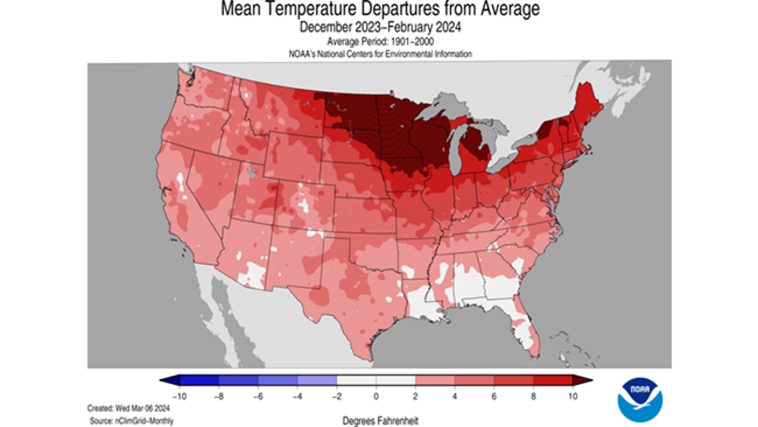
For tens of millions of Americans residing in the central states, this holiday season promises advice that might sound like an April shower in December. In cities like Kansas City and St. Louis, residents could see temperatures soaring into the mid-70s on Christmas Day—a dramatic departure from the traditional winter chill. Even parts of the southern Plains, including Oklahoma City, are predicted to experience highs nearly 30 degrees above the usual averages, leaving many to wonder how the streets will look under such balmy conditions.
Understanding the Uncommon Warmth in the Central U.S.
The phenomenon is not merely a mild deviation from historical records, but rather an extreme example of natural variability. Meteorologists have noted that close to two dozen states, ranging from portions of the Rockies through the Plains and Midwest, are anticipated to experience temperatures that feel more in line with late April than midwinter. This remarkable surge in warmth brings with it several tricky parts that deserve scrutiny:
- Impact on daily routines: With such warm conditions, the need for bundled-up clothing might be replaced by the casual comfort of shorts and T-shirts, potentially leading to lifestyle adjustments and unexpected energy usage patterns.
- Travel concerns: Persistent low clouds and dense fog combined with elevated temperatures can reduce visibility, which might disrupt road and air travel. Travelers in the Gulf Coast, Appalachians, and Atlantic Coast regions may need to adjust their plans.
- Seasonal traditions: The warmth could challenge age-old customs like building a snowman or donning the classic winter wardrobe; indeed, this Christmas might find some asking Santa for flip-flops instead of snow boots.
A Side Perspective: The Polar Vortex and Its Role
The backbone behind much of our traditional winter weather has long been the polar vortex—a large area of circulating cold air sheltering above the North Pole. Under normal conditions, the polar vortex remains well-contained by strong winds, but when it weakens, it can wobble and stretch. This wobble is a key factor in why some regions are experiencing these fine points of atypical winter warmth, while other parts of the country are dealing with severe cold or wintry mixes. It is a reminder that nature’s twists and turns can lead to outcomes that are both surprising and nerve-racking.
Atmospheric Rivers and Their Impact on California
While the central United States basks in unexpected warmth, California is facing a very different reality. Over the coming days through Christmas Day, two formidable atmospheric rivers are expected to carve their way across the state, delivering torrential rains, potential flooding, and even snow to the high mountains of the Sierra Nevada. For residents in the Golden State, these weather events represent a mix of concern and caution, particularly in regions still recovering from previous fires and flood damage.
How Atmospheric Rivers Affect Local Ecosystems and Infrastructure
Atmospheric rivers are essentially long, narrow corridors of water vapor that transport enormous quantities of moisture from the Pacific Ocean toward the coast. When these powerful systems reach California, they result in multiple complications that need to be considered carefully:
- Flood risk: The heavy rainfall is expected to cause localized flash flooding, inundating roads, neighborhoods, and agricultural areas. In some cases, rapid inundation of streams may result in larger river flooding and potential debris flows, especially in regions with recent burn scars.
- Mountain hazards: In mountainous areas like the Sierra Nevada, significant snowfall is forecasted. Snow levels are set to drop by midweek, meaning that Donner Pass and surrounding high ridges could receive between one to two feet or even up to ten feet of snow. Such conditions may create whiteout scenarios and prolonged roadway closures.
- Wind and travel complications: Alongside intense precipitation, damaging winds and rapidly shifting conditions may add to the scare for travelers. Strong winds can compound the tricky parts of managing road safety during heavy rain and snow commingled events.
What Does This Mean for California’s Outdoor Enthusiasts?
For those planning winter outings or exploring California’s natural beauty during the holidays, it’s critical to take a closer look at these environmental indicators. The fine points of these atmospheric changes suggest that while the winter sports season might still be on, outdoor enthusiasts should be prepared for sudden changes. Here are a few travel tips amidst the unpredictable conditions:
- Keep updated with the latest weather forecasts and advisories.
- Plan extra time for travel to account for potential delays due to flooding or snow closures.
- Pack for both warm and cold scenarios, as temperature and visibility can shift unexpectedly.
- Pay attention to local alerts regarding debris flows around burned areas.
Snow, Sleet, and Rain in the Northeast: A Mixed Holiday Palette
The northeastern United States is not immune to the shifts in winter weather, though the forecast there is a mixture of rain, sleet, freezing rain, and, in some areas, snow. Fast-moving storm systems are poised to sweep through from late December 22nd to Christmas Day, bringing a blend of wintry mixes that could complicate travel and business operations across several states.
Decoding the Storm Patterns Affecting the Northeast
The storms heading into northern regions are characterized by their rapid changes and short but impactful durations. While the first storm is expected to deliver a mix of snowfall, sleet, and freezing rain, the second later in the holiday period appears likely to be dominated primarily by rain. The following points provide insight into how these weather patterns may affect the region:
- Snow accumulation: In areas such as northern New York, intricate parts of New England, and mountainous regions like the Adirondacks and the Green and White Mountains, accumulations of one to three inches of snow and, in some cases, even up to six inches in higher altitudes are forecast. These conditions can lead to slippery roads and a general sense of caution for those commuting.
- Ice hazards: Besides snow, the threat of freezing rain that may result in thin layers of ice — measuring up to 0.10 inch — can create unexpectedly dangerous travel conditions, particularly in central and south-central Pennsylvania.
- Rapid weather shifts: The brief wintry mixes that may pop in on higher ridges early on Christmas Day represent one of the fine shades that make forecasting in this region both challenging and, at times, overwhelming for local authorities.
Outdoor and Travel Preparedness in the Northeast
For residents and visitors in the Northeast, these coming weather shifts call for smart planning and a flexible itinerary. Whether you’re traveling by car or planning holiday activities, here are some bits of advice to ensure safety amid the unpredictable conditions:
- Monitor real-time weather updates and heed travel warnings from local authorities.
- Keep at hand essentials such as extra warm clothing, water, and emergency supplies in case of extended delays.
- Plan for alternative routes if primary roads are compromised by snow or ice.
- Avoid making long-distance travel plans unless necessary, particularly during peak storm hours.
Comparative Analysis: Central Warmth Versus Coastal Storms
A table below outlines and contrasts the anticipated weather conditions in the central United States, California, and the Northeast, highlighting the key differences and potential impacts on each region.
| Region | Forecasted Weather | Potential Impacts |
|---|---|---|
| Central U.S. | Record warmth, with highs in the mid-70s; fog and low clouds reducing visibility | Unseasonably warm temperatures; potential challenges for travel; need for adjusted holiday attire |
| California | Heavy rains from atmospheric rivers, flooding, damaging winds; heavy snowfall in the mountains | Risk of flash flooding, debris flows near burned areas, road closures in mountainous zones |
| Northeast | Fast-moving storms bringing mix of rain, sleet, freezing rain and snow | Disruptions in travel; accumulation of ice and snow; potential short-term impacts on business operations |
Travel and Outdoor Considerations for the Winter Season
This winter’s divergent weather patterns highlight the need for a balanced approach especially for those who love combining travel with outdoor pursuits. It’s clear that whether you’re planning a holiday road trip through the central U.S., a mountain adventure in California, or a cozy retreat in the Northeast, awareness of these environmental signals is key.
Adapting Your Itinerary to Changing Weather Conditions
Given the unpredictable nature of these conditions, making your way through the evolving winter landscape calls for flexibility and careful planning. Here are some super important guidelines tailored to different regions:
- Central U.S.: When the weather resembles that of late spring despite the winter calendar, adjusting outdoor activities is essential. Consider indoor alternatives if fog and low visibility persist during key travel hours.
- California: With atmospheric rivers on the move, those planning to explore the outdoors should be prepared for sudden shifts from heavy rainfall to rapid snow onset in the mountains. Check local advisories, especially if venturing close to regions that have experienced recent burns.
- Northeast: In areas where the forecast includes mixed precipitation, staying updated with hourly weather changes can make all the difference. Small distinctions in temperature could quickly change the risk profile for commuters and holiday travelers alike.
Importance of Community Preparedness and Local Resilience
When weather events of this scale affect multiple regions simultaneously, communities must be ready to work through the tangled issues that are likely to pop up. Local agencies in every affected region are tasked with sorting out mitigation measures and providing timely warnings, ranging from dense fog advisories in the Houston and New Orleans metro areas to flash flood notifications in California’s urban and rural communities alike. Here are a few key points community leaders and residents should keep in mind:
- Emergency services: Ensure that emergency kits are updated and accessible, especially in regions experiencing both extreme warmth and hazardous precipitation.
- Communication: Staying in touch with local news and weather services is super important to receive the latest updates regarding hazardous conditions.
- Travel adjustments: Consider postponing non-critical travel during periods of adverse weather, particularly when alerts indicate fast-moving storms in the Northeast or high winds in California.
The Bigger Picture: Implications of an Evolving Winter Climate
The dramatic weather swings that we are experiencing this season are more than just an immediate nuisance for holiday travel—they hint at significant shifts in our seasonal norms. While the present conditions may cause some anxiety, they also offer a chance to get into a broader discussion about the environment, climate patterns, and how communities get around coping with rapid changes.
Linking Local Observations to Global Climates
The record warmth in the central regions of the United States, combined with the ferocity of atmospheric rivers impacting California and the mixed storms in the Northeast, all underscore the subtle details of a larger climatic shift. While it is too early to attribute any single weather event solely to global climate change, the cumulative effects are a strong indicator that our seasonal expectations are evolving. The following points encapsulate some of the fine points to consider:
- Climate variability: The current patterns remind us that weather extremes are part of a broader trend, one that is full of problems for communities, hybrids of historical norms and unexpected twists and turns.
- Long-term planning: Towns and cities might need to refigure a path in terms of infrastructure, emergency preparedness, and energy management. Adjustments such as improved drainage systems in flood-prone areas or emergency warming centers in regions experiencing extreme cold should be considered seriously.
- Increased research: Understanding these challenging bits surrounding atmospheric systems like the polar vortex and atmospheric rivers is a super important piece of our broader climate puzzle. Continued investment in weather forecasting technology along with community outreach can help steer through these trying times.
What Travelers Can Do to Stay Ahead of the Weather Curve
For those of us who balance our love for travel with outdoor adventures, being prepared is the key. As nature continues to surprise us with its unpredictable swings—from unexpected warmth in December to torrential rains and snow—making your way through these conditions without worry is achievable with a bit of extra planning. Consider these travel tips:
- Stay informed: Use reliable weather forecasting websites and mobile apps for real-time updates, especially when your itinerary spans multiple regions.
- Flexible planning: Build flexibility into your travel schedules. Remember, if conditions become too overwhelming, it may be safer and more enjoyable to postpone or reroute your journey.
- Pack smart: Bring layers that can adapt to both warm and cold weather scenarios, and keep emergency supplies handy in case a storm catches you off guard.
- Local insights: Check local travel advisories before heading out, whether you’re driving through the central U.S. or hiking near California’s mountainous roads.
Community Voices: Reflections on a Winter Unlike Any Other
Across the nation, opinions are as varied as the weather itself. For some, the idea of a warm Christmas in the heartland is a welcome change—a break from the nerve-racking cold and bitter winds of past winters. For others, particularly in regions expecting heavy rains and snow, the forecast inspires both caution and curiosity about what the future of winter travel might hold.
Gathering Perspectives from Different Regions
In informal discussions and community forums, residents are sharing their stories and thoughts on these unusual conditions. Here are a few of the common themes emerging in conversations across the country:
- Surprise and adaptation: Many are marveling at the record-breaking warmth, which requires rethinking traditions such as winter wardrobe choices, festive decorations, and even holiday meal planning.
- Preparedness despite uncertainty: Those in weather-impacted regions like the Northeast stress the importance of having backup plans when it comes to outdoor activities and travel, acknowledging that nature’s surprises can be both exciting and overwhelming.
- Hope for renewed natural beauty: In California, there’s a sense of cautious optimism. While the atmospheric rivers pose clear risks, they also bring the promise of replenished water resources and the revival of natural ecosystems that have suffered from extended dry spells.
- Debate over long-term changes: Some community voices are tying personal experiences of these fine shades of winter weather to broader questions about climate evolution and environmental stewardship, encouraging a balanced discussion around sustainable travel practices.
Planning for a Resilient Holiday Season
In light of these developments, both community leaders and individual travelers are prompted to take stock of the situation and figure a path that emphasizes safety, comfort, and adaptability. As we prepare for a holiday season that defies our usual expectations, here are some focused strategies for ensuring that your Christmas remains enjoyable, regardless of the weather:
- Regular check-ins: Maintain a habit of checking weather reports frequently. The fluid nature of these conditions means that even predictions made a day ahead may need adjustments.
- Backup arrangements: For families planning gatherings or outdoor winter activities, prepare indoor alternatives in case extreme weather disrupts plans.
- Community coordination: Consider joining local groups or social media forums where residents share up-to-the-minute information on weather developments and road conditions.
- Enhanced travel planning: If you’re headed on a road trip, keep a survival kit in your car. This kit might include essentials like water, blankets, non-perishable snacks, and a charged phone power bank.
Adjusting Traditions Amid Changing Seasons
This year may see a reimagining of traditional holiday customs. In regions where warm weather replaces the expected snowfall, communities might explore novel ways to celebrate. Rather than lamenting the absence of a white Christmas, some residents are already brainstorming ideas for seasonal events that embrace the present conditions. For example:
- Outdoor winter picnics: Shift the perspective from bundled-up cold-weather challenges to enjoying pleasant weather for communal outdoor meals and games.
- Adjusting holiday attire: Instead of heavy coats and scarves, consider light layers and festive accessories that commemorate the uniqueness of this season.
- Embracing nature’s surprises: Engage in community activities that highlight the unexpected beauty of the environment—be it through impromptu street festivals or outdoor art installations reflecting on the evolving weather patterns.
Forecasting the Future: The Long Road Ahead
While this Christmas season is already shaping up to be unconventional, it also serves as a preview of what might lie ahead. As weather patterns continue to evolve and the fine shades of climate change manifest themselves in our day-to-day lives, it is clear that each region will face its own set of tangled issues and hidden complexities. For policy-makers, urban planners, and environmental advocates, the challenges are both intimidating and full of problems. However, with proper foresight, robust community engagement, and the willingness to adjust expectations, these hurdles can be tackled in manageable, creative ways.
Key Considerations for Future Seasons
Looking beyond this holiday season, several key considerations emerge that could help communities and travelers alike prepare for future winters:
- Infrastructure upgrades: Investment in drainage, road maintenance, and emergency management systems is critical. In regions prone to both record warmth and heavy precipitation, having the means to swiftly respond to weather-related challenges is a super important cornerstone of community resilience.
- Local climate research: Continued efforts in local and regional meteorological study can shed light on the small distinctions in weather trends, allowing residents and governments to better plan for ON-GOING changes.
- Sustainable practices: Embracing eco-friendly travel and energy-saving measures can help mitigate the broader environmental impacts that drive such extreme weather events.
Opportunities for Collaborative Action
The shifting narrative around winter weather opens the door for cooperative efforts among communities, researchers, and policymakers. By pooling resources and sharing insights, regions experiencing disparate effects—from California’s atmospheric rivers to the Northeast’s rapid storms—can work together to get around common pitfalls. Collaborative measures might include:
- Regional emergency response drills: Regular coordinated exercises can help ensure that when the weather turns on a dime, response times and strategies are already in place.
- Public forums and town hall meetings: Establishing open dialogues between residents, local officials, and experts can ensure that community voices drive policy and planning decisions.
- Data sharing initiatives: Weather data is a key resource. Innovative platforms that allow regions to share real-time information can help everyone manage their way through unexpected weather shifts more effectively.
In Conclusion: A Season of Adaptability and Reflection
As we stand on the cusp of an unprecedented winter holiday, it is clear that this season challenges us to reconsider our assumptions about what constitutes a “normal” winter. The interplay of record-setting warmth in the central U.S., the formidable moisture surges in California, and the tumultuous mix of wintry precipitation in the Northeast not only underscore nature’s unpredictable behavior but also remind us of the need to adapt. Whether you are a traveler eagerly planning outdoor adventures or a resident rethinking your holiday traditions, now is the time to appreciate the subtle details and little twists that are shaping our communal experiences.
Final Thoughts for the Season
In many ways, this holiday season serves as a microcosm of the broader environmental changes at work. While these conditions might seem overwhelming or even off-putting at first glance, they also provide an opportunity to redefine how we interact with nature during winter. Instead of viewing these sharp departures from tradition as purely negative, consider this season as a chance to explore new ideas, adapt to evolving conditions, and celebrate the resilience of communities that come together in times of both warmth and cold.
As we prepare for what promises to be a season full of surprises, it is essential to keep an open mind and a flexible itinerary. By working together and staying informed, we can ensure that our holiday celebrations not only survive but thrive amid nature’s ever-changing display. So whether you’re readying a road trip through warm midwinter landscapes or gearing up for careful navigation through snowy and icy patches, remember that adaptability is the key that will help you steer through these unpredictable days.
Table of Key Weather Forecast Points
| Region | Forecast Details | Travel/Outdoor Considerations |
|---|---|---|
| Central U.S. | Record warmth with highs nearing 75°F; widespread fog and low clouds. | Adjust clothing, prepare for low visibility and extended travel times. |
| California | Two major atmospheric rivers; heavy rainfall, flooding risk, and mountain snow. | Monitor flash flood warnings; plan for possible road closures in mountain areas. |
| Northeast | Mixed precipitation including rain, sleet, freezing rain, and snow from fast-moving storms. | Exercise caution on icy roads; check for travel advisories before heading out. |
Looking Ahead
The weather of this holiday season is a striking reminder that nature is both unpredictable and intricately tied to broader global patterns. As we adjust our expectations and make plans that factor in these dynamic shifts, we also have the responsibility to promote community vigilance and preparedness. The record warmth in some areas, combined with severe moisture events elsewhere, is a lesson in finding your way through life’s constant changes—and sometimes, even asking Santa for flip-flops instead of his traditional winter boot collection.
Ultimately, whether you find yourself delighting in a balmy Christmas afternoon or bracing against the rigors of fast-moving winter storms, there is beauty and resilience in every twist and turn our weather presents. With a balanced approach, a commitment to safety, and an appreciation for the little details that make each experience unique, we have every reason to look forward to a holiday season that will be remembered for its singular blend of surprises and opportunities.
We invite you to join in the conversation: How will you adapt your travel plans or holiday celebrations to meet the challenges of this evolving winter landscape? Your community’s shared experiences and insights are a crucial part of letting us all find our way through this season with confidence and creativity.
May your holiday season be safe, enjoyable, and filled with moments of both adventure and thoughtful reflection. Happy holidays to all—and here’s to a new era of winter weather that keeps us ever on our toes!
Originally Post From https://www.usatoday.com/story/news/weather/2025/12/22/christmas-week-forecast-record-heat-to-feet-of-snow/87883008007/
Read more about this topic at
Christmas 2025 Forecast: Warmest Holidays since the …
Where stormy weather may snarl holiday travel