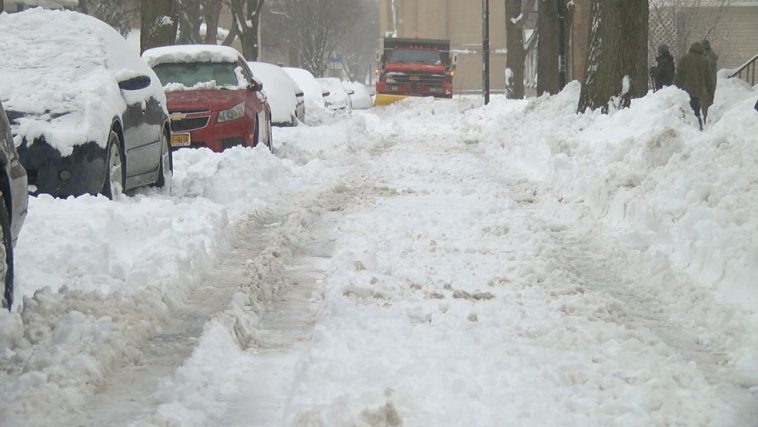

Rochester’s Legendary Winter Storms: A Deep Dive Into History and Impact
The city of Rochester, located on the edge of one of the world’s greatest snow-making machines—Lake Ontario—has long been no stranger to the overwhelming power of winter weather. Over the years, epic snowstorms have left their mark on this resilient community, testing the limits of transportation, commerce, and daily life. In this opinion editorial, we take a closer look at some of Rochester’s most iconic snow events, explore the meteorological magic behind lake effect snow, and discuss how the city has managed to weather these icy assaults.
From multi-day downpours of snow to staggering single-day records, Rochester’s history is filled with moments that serve as a reminder of nature’s unpredictable might. Let’s dive in and get into the fascinating details of these awe-inspiring winter episodes.
Understanding the Role of Lake Ontario in Generating Massive Snowfall
Lake Ontario stands out as a key player when it comes to weather patterns in the Rochester area. The Great Lakes often serve as a catalyst for the formation of heavy snowfall events. When cold air sweeps over the relatively warmer lake waters, it picks up moisture, creating ideal conditions for snow formation. This process, commonly known as lake effect snow, is responsible for some of the most intense snowfalls recorded in and around Rochester.
What makes this phenomenon particularly interesting is that it’s not just about precipitation; it’s about how the unique geography of the Great Lakes region contributes to the overall weather picture. The low ice cover on these vast bodies of water allows them to feed substantial amounts of moisture into the atmosphere. This, in turn, creates conditions that lead to both prolonged and concentrated snowfall events that can last for days.
Key elements include:
- Temperature contrasts: The dramatic differences between the freezing air and the milder waters of Lake Ontario increase the moisture content in the air.
- Wind directions: When winds blow from the lake towards the land, they bring this heavy moisture inland, turning simple flurries into roaring blizzards.
- Geographical positioning: Rochester’s location offers a front-row seat to these natural shows, making it particularly vulnerable to these wild snowfall events.
These factors combine to create conditions that are as intriguing as they are intimidating for local residents and meteorologists alike.
A Look Back: Historic Multi-Day Snowfall Events in Rochester
Over the years, Rochester has been subjected to multi-day storms that have transformed the cityscape into a winter wonderland—and sometimes, a perilous environment. Let’s recapitulate some of the most memorable multi-day snow events that have tested the community’s resilience.
February 28 – March 2, 1900: The Monster Storm
One of the most significant snowfall events in Rochester’s history occurred at the turn of the century. Over a span of 63 straight hours, a staggering 43.5 inches of snow accumulated. The relentless storm disrupted commerce across the Great Lakes region, with cities from Cleveland to Montreal experiencing unbearable blizzard conditions. In nearby communities, snow drifts soared to nearly 10 feet, isolating smaller towns and halting communication.
Residents of Rochester witnessed delays in even the simplest deliveries—like the daily milk train—and saw street traffic come to a screeching halt under the weight of nature’s fury. This event remains etched in local memory for its sheer intensity and the far-reaching impact it had on everyday life.
February 27 – March 3, 1984: The Great Leap Day Storm
Coined as the Great Leap Day storm, this six-day ordeal brought a total of 32.7 inches of snow. Although normal life tentatively resumed by March 1, the heaviest snowfall—almost two feet—occurred on the final two days of February. These intense moments forced the shutdown of the Rochester area, as residents found themselves unable to steer through streets buried under a heavy, unyielding blanket of snow.
Among the many challenges during this storm, local crews faced the tricky parts of clearing streets and removing such a vast volume of snow. The city’s slow recovery showcased just how nerve-racking it can be when Mother Nature decides to throw a curveball.
January 29 – February 2, 1966: The Blizzard of ‘66
The Blizzard of ‘66 serves as another stark reminder of the might of lake effect snow. With reports of snow accumulations reaching an astonishing 100 inches and drifts as high as 30 feet in some areas near the east end of Lake Ontario, it was a time when the city found itself battling one of the most formidable storms in its history.
Tragically, this storm wasn’t without loss. Amid the chaotic driving conditions and paralyzing snowfall, a father and daughter lost their lives in a heart-wrenching episode when their car was buried by the heavy, stalling snow. Local reports indicated that the challenge wasn’t just limited to transportation—the community even faced shortages in vital supplies as wholesale distributors struggled to keep up with the sudden demand.
March 13-15, 2017: Storm Following a Power Outage
In March 2017, Rochester was hit by a storm that came on the heels of a fierce windstorm—a double whammy that left the region reeling. With 26.5 inches of snowfall, the storm was especially insidious. The power outage from the previous windstorm meant that many systems were already off-kilter, causing widespread disruption. Schools closed, businesses shuttered, and residents found themselves imprisoned by a silencing layer of snow that delayed any attempts at normalcy.
February 5-7, 1978: The Eastern Seaboard’s Icy Grip
This winter storm was a region-wide event, affecting not just Rochester but the entire eastern United States. With 25.8 inches of snow, it forced the closure of major highways, including parts of the New York State Thruway, and even brought the New York City stock exchange to a temporary halt. In Rochester, the storm’s impact was brutally real: local streets turned into icy mazes, and in an effort to combat the hazardous snow, two men tragically suffered fatal heart attacks while shoveling the sprawling two-foot deep snowbank.
These multi-day events not only brought record-breaking snowfall but also revealed the subtle parts of community vulnerability. The experiences born from these snowy trials have ultimately helped shape the way Rochester adapts and recovers from such extreme weather.
A Closer Look at Record-Breaking Single-Day Snowfall Events
Not all historic snowstorms in Rochester were multi-day marathons. Some events delivered their shock value in a single, devastating day—showcasing how swiftly and severely nature can change the landscape.
March 1, 1900: A Historic One-Day Record
Just as the multi-day storm of early 1900 left a lasting legacy, the second day of that epic event delivered an astonishing 29.8 inches of snowfall in a single day. The sheer volume of snow forced the cancellation of train services, closed down schools, and left local businesses struggling to cope. Coal companies saw a sudden spike in demand, making it clear that this was no ordinary snowfall.
January 3, 1996: Lake-Effect Fury in a Single Day
On January 3, 1996, Rochester experienced 23 inches of snow in just one day—a substantial portion of which was driven by lake-effect dynamics. Streets were quickly buried under the heavy accumulation, and the challenge of making your way around snow-covered roads became a day-long ordeal. With transportation networks coming to a standstill, local schools closed their doors for two consecutive days. Municipal departments, already running at the limit from previous winter efforts in November and December, found themselves overwhelmed by the sudden onslaught of work.
March 4, 1999: The “Blizzard of ’99” Hits Hard
The event known as the “Blizzard of ’99” was marked by a single-day snowfall of 22.3 inches. Reporting the day after, headlines in the local paper carried an urgent tone as emergency declarations were issued across the region. The storm had dropped between two to three inches of snow each hour, creating an atmosphere filled with confusion and delay. Forecasters later admitted that they hadn’t fully anticipated the extent of the snowfall, lending the event a reputation for being both awe-inspiring and a lesson in humility for the experts.
March 6, 1999: The Unyielding Storm Continues
Just days after the record-breaking snowfall on March 4, 1999, another wave of heavy snow—totaling 18.4 inches—pounded the area. This successive storm forced local governments to reintroduce emergency measures barely six hours after the previous state of emergency was lifted. With parts of the New York State Thruway and local malls forced to close, residents were caught in a cycle of disruption that rendered routine activities nearly impossible.
February 14, 1960: A Day to Remember for Its Overwhelming Impact
The winter of 1959-60 is often cited as one of the snowiest on record for the Rochester area. On February 14, 1960 alone, 18.4 inches of snow pounded the city. This event delivered dense, hip-deep snow drifts that left roads impassable and aircraft grounded. While passenger trains continued to operate, the perilous conditions took a toll on many, with two individuals succumbning to heart attacks while attempting to clear the snow off their driveways. This day underscored the nerve-racking challenges that come with managing unexpected, intense winter weather.
Although unofficial records suggest even greater snowfall in years past—such as a one-day record of 30 inches in 1837—these events were not formally measured, leaving only documented history to tell the tale of Rochester’s snowy battles.
The Meteorological Stories Behind the Snowstorms
Every snowstorm carries with it a meteorological narrative that speaks to the subtle details of weather dynamics. In Rochester, a few key factors continuously interweave to spice up the narrative of winter weather, making each storm both unique and challenging.
The Science of Lake Effect Snow and Its Local Implications
The process that turns Lake Ontario into a snow-making powerhouse involves several moving parts. Cold, dense air moving over the warmer lake surface picks up moisture, which is then deposited as snow when the air reaches cooler land temperatures. This process is not only fascinating from a scientific standpoint, but it also reveals some of the hidden complexities behind weather forecasts in the region.
Local meteorologists have spent decades trying to predict these events, and while modern technology has improved forecast accuracy, plenty of the fine points of these storms remain tricky to nail down with absolute precision. The layered structure of the atmosphere, variable wind speeds, and shifts in temperature all contribute to the final outcome—a reminder that while we can often predict the general outline of events, the little twists in the details can sometimes take us by surprise.
Challenges and Confusing Bits in Forecasting Extreme Weather
While weather models have advanced tremendously over the years, forecasting lake effect snow storms comes with its own set of tangled issues. One of the most complicated pieces involves predicting exactly how much snow will fall and when. The seemingly intangible concepts behind the formation of these storms can be off-putting to both meteorologists and the public alike. The forecast might indicate a storm is coming, but even then, the precise details can remain elusive until the event unfolds in full force.
To better organize these forecasting challenges, consider the following table summarizing key factors:
| Factor | Impact on Snowfall |
|---|---|
| Temperature differential | Larger differences lead to more robust moisture uptake |
| Wind direction | Determines the path of the moisture-laden air |
| Lake ice cover | Lower ice cover increases the potential for more intense snow showers |
| Atmospheric instability | Contributes to the formation and duration of snowfall |
Understanding these pieces is critical for local authorities to prepare for what often turns into an overwhelming challenge during the worst winter months.
Community Resilience: How Rochester Adapts to Nature’s Icy Onslaught
One cannot talk about Rochester’s winter storms without recognizing the remarkable ways in which the community has put in place measures to manage and recover from these snow events. Whether it is bracing for multi-day assaults or single-day surprises, the residents and local services have learned to work through the many twists and turns of severe winter weather.
Local Preparedness and Emergency Measures
Over the decades, local governments have refined their emergency response strategies to figure a path through these daunting snowstorms. From initiating early warnings to mobilizing snow removal crews at a moment’s notice, there exists a robust plan to handle the fallout from extreme weather conditions. Some of the key strategies include:
- Advance communication: Timely alerts help residents prepare, preventing situations where essential services are disrupted.
- Rapid mobilization: Snow plow operations and emergency crews stand ready to clear roads and assist stranded motorists.
- Resource allocation: Coordination between state and local authorities ensures that supplies such as salt, sand, and fuel are distributed where needed most.
It isn’t just about the government’s response—local businesses and residents also play a role by stocking up on essential supplies and staying connected to their community networks, ensuring that even the most intimidating weather cannot completely disrupt everyday life.
Lessons Learned from Past Snowstorms
Every major storm in Rochester’s history has left behind lessons that continue to shape current practices. For instance, the prolonged power outages following recent storms have spurred not only improvements in energy infrastructure but have also led to more community-driven initiatives to assist those most affected. These lessons, while emerging from periods that were loaded with issues, have helped forge a community identity that is both forward-thinking and highly resilient.
Many officials now stress the importance of continual reviews and updates to emergency protocols. This approach ensures that while the challenges posed by heavy snowfall remain tricky and sometimes overwhelming, there is always a plan in place to get through the worst of it.
Social and Economic Implications of Extreme Snowfall
The heavy snow events in Rochester have left indelible marks not just on the landscape, but on the social and economic fabric of the community. Whether it is the closure of businesses for days or the challenges in maintaining public transportation, these storms bring about outcomes that ripple through every facet of city life.
Business and Commerce Disruptions
When snowfall accumulates at record levels—often in a matter of hours—local commerce is hit full force. Stores close, deliveries are delayed, and daily routines are thrown into chaos. For many small businesses, the sudden shift from an active working day to complete shutdown can have lasting financial effects. The unpredictability of these events means that while some companies can brace for impact, others may find themselves caught off guard by the treacherous conditions.
This economic rollback is compounded by the inability of municipal services to clear roads promptly, making it exceedingly difficult for workers and consumers to get around. However, in hindsight, these challenging moments have also spurred innovation. Some businesses now invest in more robust contingency plans, including alternate delivery methods and emergency response teams designed specifically to tackle the hallmark issues of extreme weather.
Transportation and Commuter Challenges
One of the most visible impacts of Rochester’s snowstorms is on the transportation grid. Streets turned into slippery, impassable paths pose severe challenges for commuters. Not only do these conditions delay emergency services, but they also lead to longer commute times and increased risk on the road. Public transportation agencies face the daunting task of working through days of back-to-back storms, as they attempt to restore normalcy after periods of absolute gridlock.
Drivers must figure a path through what often feels like a maze of snow and ice—a task that is sometimes as nerve-racking as it is hazardous. The community’s response, however, has typically been united and resourceful, with neighbors helping neighbors and local governments issuing regular updates and safety advisories to aid in the recovery effort.
Social Cohesion and Community Spirit
The shared adversity of battling overwhelming storms has fostered a strong sense of community in Rochester. Stories of neighbors coming together to assist in snow removal, share supplies, or simply check in on each other are not uncommon during these harsh winters. Such acts of solidarity help to ease the burden of the heavy snowfall and remind everyone that while nature’s forces may be intimidating, the community remains united against all odds.
Social cohesion has become one of the most critical assets during these times. When the community dives in to help, it not only mitigates the physical impact of the storm but also soothes the emotional strain that such natural events can impose.
Weather Preparedness: Future Strategies and Community Engagement
As we look to the future, the need for improved preparedness in the face of record-breaking winter weather becomes ever more essential. In Rochester, with its storied history of snowy episodes, both governmental agencies and residents are continually rethinking their approach to these natural challenges.
Developing More Effective Emergency Protocols
One of the key lessons learned from past snowstorms is the necessity to have refined, prompt, and cohesive emergency response plans. Officials now recognize that the fine points of weather forecasting—even those hidden complexities that seem trivial at the time—can significantly influence the road to recovery.
Future strategies include:
- Investing in advanced technology: Enhanced forecasting models can provide more accurate predictions of when and how long a storm might last.
- Coordinating cross-agency responses: Effective communication between local, state, and federal agencies ensures that resources are mobilized efficiently.
- Community training programs: Educating the public on how to prepare for, endure, and recover from major snowstorms helps reduce the overall risk during these periods.
By sorting out these matters well in advance of winter, officials hope to ease the nerve-wracking aspects of future storms and create a safer environment for all residents.
Community-Driven Initiatives for Winter Resilience
Beyond governmental actions, community-driven initiatives play a super important role in enhancing overall preparedness. Local organizations, neighborhood groups, and volunteer networks have been known to organize resource-sharing programs, emergency readiness workshops, and neighborhood check-ins during forecasted storm events.
Some of the community efforts include:
- Neighborhood hotlines: Residents can use these to report emergency situations or request assistance, ensuring that help reaches those who need it most.
- Snow buddy systems: Especially among the elderly and vulnerable, ensuring that someone is always available to lend a hand during the most overwhelming weather conditions.
- Joint training sessions: Local authorities often collaborate with community centers to host workshops on basic winter emergency response, including first aid and safe snow shoveling techniques.
These small distinctions in community planning have contributed significantly to reducing the chaos that comes with each big snow event and have bolstered the resolve of Rochester’s residents to face even the trickiest of winter challenges.
Meteorological and Social Reflections: Balancing Risk and Resilience
Rochester’s long history with extreme snowfall is both a scientific marvel and a social experiment in resilience. The delicate interplay between natural forces and human responses reveals a narrative filled with both inspiring stories of community spirit and sobering reminders of the potential for disruption.
On one hand, the production of vast amounts of snow due to lake effect dynamics is a phenomenon rich with hidden details that fascinate meteorologists and weather enthusiasts alike. On the other, the very tangible impacts of these storms on daily life emphasize how tricky and overwhelming it can be to mitigate nature’s full force.
In another light, while severe snow events have sometimes led to tragic losses, such as fatalities during hurried attempts to clear blocked driveways, these occurrences have also galvanized the community toward safer practices and better emergency protocols. This balance between risk and proactive planning continues to shape the way Rochester approaches winter, as well as how it secures its future.
For many, the swirling snow is less a symbol of nature’s wrath and more a reminder of how collaboration, preparedness, and resilience can transform even the most intimidating events into manageable challenges.
Adapting to a Changing Climate: Future Considerations for Winter Weather
Recent research indicates that shifting climate patterns could impact the behavior of lake effect snow in the Great Lakes region. Although the basic science behind the snowstorms is well established, subtle shifts in seasonal temperatures and ice cover may alter the patterns of future snowfall events.
This evolving scenario pushes both meteorologists and city planners to dig into new data and update their forecasting models. Understanding these future changes is essential, given that even a small tweak in weather patterns can lead to complicated pieces of overall risk management.
Predicting Changes in Ice Cover and Wind Patterns
One area of growing interest involves monitoring the ice cover on Lake Ontario. With a warmer climate, even a slight increase in lake temperatures may lead to lower ice coverage. This, in turn, provides more open water through which the atmosphere can latch onto moisture, potentially resulting in even more intense precipitation events.
Alongside these concerns, changes in wind patterns have emerged as another significant factor. Shifts in prevailing winds may alter the direction and intensity of lake effect snow bands, meaning that areas previously considered relatively safe may find themselves in the path of heavy snowfall.
Research now suggests that:
- Ongoing atmospheric studies: Continuous monitoring will help predict future trends and offer timely processing of complex and sometimes puzzling weather bits.
- Investments in adaptive infrastructure: Enhanced road maintenance technologies and innovative winter-proofing measures for buildings could save both time and money during prolonged snow events.
- Collaboration between scientists and city officials: Working together to tackle these subtle parts of climate change can provide super important insights for future winter preparedness strategies.
Enhancing Community Resilience Amid Uncertainty
While the science behind these changes is still evolving, one thing remains clear: community resilience will be the most critical factor in the years ahead. By taking the wheel and proactively addressing the minor details that can trigger severe outcomes, Rochester can continue to safeguard its residents even as weather patterns shift.
Community-led initiatives, such as localized weather tracking and neighborhood response teams, are set to become even more important as residents brace for future scenarios. These groups emphasize small distinctions in preparedness that, when combined, form a robust shield against nature’s unpredictable onslaught.
Conclusion: Embracing the Icy Legacy of Rochester With Cautious Optimism
The history of Rochester’s snowstorms is a vivid tapestry woven from nature’s most awe-inspiring displays and human determination in the face of adversity. Each historic storm—from the monster downpours of 1900 to the nerve-wracking single-day records of the late 20th century—reminds us that while the challenges of winter can be overwhelming, they also carry opportunities for growth, learning, and community bonding.
At its core, Rochester’s experience with lake effect snow is a reminder that even the most intimidating weather can be managed when preparation, technology, and community spirit come together. The tricky parts of these challenges, whether it’s dealing with the fine points of meteorological forecasting or the tangled issues of emergency response, are met with resilient determination by both officials and residents alike.
Looking ahead, the anticipated shifts in climate patterns mean that Rochester must continue to adapt. With modern forecasting technologies, community engagement strategies, and an unwavering commitment to safety, the city is well positioned to figure a path through even the most nerve-racking winters.
As we reflect on this legacy, one thing is abundantly clear: while the winters may grow more complicated with time, the heart of Rochester continues to beat strong in the face of adversity. It is this unique blend of respect for nature and robust social cohesion that will see the city through every snowy challenge—old and new.
Indeed, the lessons learned from decades of battling heavy snowfall remain a key part of the local identity. They serve as a constant reminder that while the icy grip of winter carries its share of overwhelming hurdles, the community’s ability to work through them is what truly makes Rochester exceptional.
In the end, the story of Rochester’s snowstorms is far from one of despair—it is a narrative of adaptation, community strength, and the unyielding spirit of a city that has learned how to thrive amidst the twists and turns of Mother Nature’s winter extravaganza.
Originally Post From https://www.democratandchronicle.com/story/weather/2026/01/25/biggest-and-wildest-snowstorms-in-rochester-ny-ranked-see-list/87619438007/
Read more about this topic at
Winter storm causes rare phenomenon in upstate New York
A mesmerizing scene was captured at the airport in Rochester …