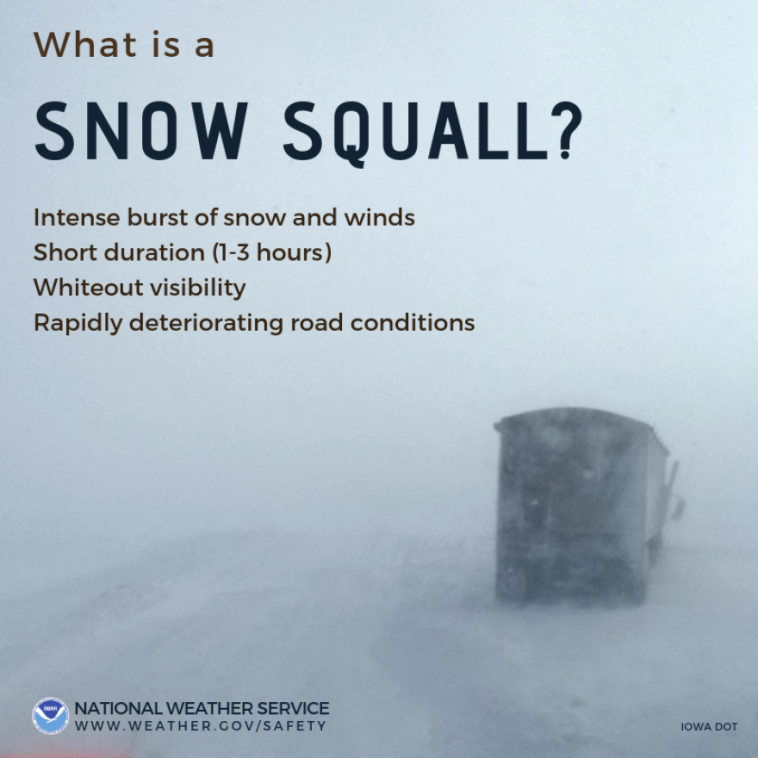
Three States on Alert for Dangerous Travel Conditions Amid Snow Squalls

Rediscovering the Joys of Outdoor Adventures in Off-the-Beaten-Path Destinations
Over the years, travel has evolved into an art form where the simple act of exploring opens up a universe of hidden wonder. As someone who’s spent decades collecting memories from the wild corners of the world, I’ve witnessed firsthand how travel can rejuvenate the soul, spark endless curiosity, and transform what might initially feel like a nerve-wracking journey into an adventure full of heartwarming moments. These experiences stretch far beyond the everyday and invite readers to embrace the unpredictable charm of the outdoors—a charm that often lies tucked away in those offbeat trails and remote paths that many tend to overlook.
While the idea of venturing into the unknown can be intimidating at first glance, overcoming those tricky parts is exactly what brings out the real thrill of exploration. Whether you’re a novice hiker or an experienced traveler who’s figured a path through challenging landscapes, the rewards of stepping outside your comfort zone are immeasurable. In this editorial, I’d like to share my views on how remote outdoor destinations not only offer picturesque landscapes but also provide enriching social and cultural experiences that linger long after you’ve returned home.
Exploring Family-Friendly Hiking Trails in the Pacific Northwest
One of the most memorable experiences I’ve enjoyed is exploring the scenic hiking trails in the Pacific Northwest—a region full of rugged coastlines, lush forests, and winding rivers. It’s a place where even the seemingly intimidating parts of nature offer moments of awe and wonder for families, groups of friends, and solo wanderers alike.
Finding your way through these areas is all about balancing careful planning with a readiness to embrace unexpected turns along the route. Here are a few insights gathered from years of trekking the area:
- Child-friendly paths: Many trails offer gentle slopes and clear signage, making them ideal for families with young ones.
- Breathtaking vistas: Look for trails that culminate in panoramic views—a perfect spot for a breather and some photos.
- Local wildlife sightings: The region is loaded with natural inhabitants, and the exciting moments when you encounter them are truly unforgettable.
- Picnic spaces: Frequent rest stops with designated picnic areas allow travelers to enjoy a hearty meal while taking in the scenery.
While it can sometimes seem overwhelming to figure a path through the various trail options available, the key is to start with those that match your energy and experience levels. In my view, experiencing local nature with your family can be an enlightening journey, one that deeply connects you with both the environment and your own inner child.
Balancing Cultural Immersion and Outdoor Activities in Rural Retreats
Beyond the natural beauty of wide open spaces, many remote destinations offer a rich tapestry of local culture and traditions that are just waiting to be discovered. In these quaint rural spots, you might find yourself invited to community festivals, local farm practices, or even traditional cooking classes that add an unexpected twist to your outdoor adventure.
One of my personal favorite aspects of traveling through these less-explored regions is experiencing the genuine warmth of the locals. Their stories, traditions, and communal spirit imbue every moment with a sense of belonging that often fades away in more crowded, mass-tourism areas. In these instances, the confusing bits of planning and the subtle parts of cultural etiquette serve only to heighten the excitement and intrigue of your journey.
Consider these pointers when planning your next rural retreat:
- Local festivals and celebrations: These events offer a firsthand look at the traditions and seasonal activities that define a community.
- Farm-stay experiences: Enjoy life on the land by participating in farm activities—from gathering fresh produce to feeding animals.
- Hands-on craft workshops: Learn about traditional art forms and crafts, an excellent way to take a piece of the culture home with you.
- Cuisine tours: From roadside diners to family-run bistros, sampling local flavors transforms each meal into an exploration of taste.
In many ways, merging outdoor activities with cultural immersion can ease the nerve-racking uncertainty that sometimes accompanies long journeys. The opportunity to get into the heart of local customs makes any trip super important and memorable, reminding us that there is more to travel than just ticking boxes on a bucket list.
Overcoming the Tricky Parts of Planning a Remote Getaway
Planning a getaway to lesser-known destinations always comes with its own set of challenging issues. The essential considerations often include logistical details, unexpected costs, and last-minute travel decisions. However, embracing these perplexing bits can lead to the most rewarding experiences. When you learn to figure a path through these twists and turns, you can transform a potentially intimidating task into one filled with excitement and anticipation.
Here are some useful tips for managing your way through the tangled issues of planning:
- Do thorough research: Invest time in understanding your destination. Read local blogs, travel reviews, and official tourism websites to gather as much up-to-date information as possible.
- Local contact points: Establish communication with locals or tour guides prior to your journey. They often have insider tips that guide you around complicated pieces of planning.
- Flexible itineraries: Maintain a balance between structure and spontaneity. While having a plan is key, leave room for the unexpected marvels the destination has to offer.
- Emergency preparedness: Ensure you have contingency plans in place, such as backup transportation options or extra cash, to tackle any nerve-racking surprises.
Taking the time to plug away at the hidden nitty-gritty of every destination can help you enjoy the journey without getting bogged down by the overwhelming decisions that sometimes seem forced upon you. Remember, each step in sorting out the details is a part of the adventure itself.
Discovering Scenic Road Trips with Spectacular Pit Stops
For me, one of the pure joys of travel is embarking on scenic road trips that reveal new landscapes with every mile. These journeys are more than mere transit—they’re opportunities to appreciate the fine points of nature’s design, interact with local communities, and experience spontaneous moments of beauty. Driving through the countryside offers an unobstructed opportunity to witness the rhythm of rural life, the charm of hidden valleys, and the allure of national parks bustling with natural life.
When planning a road trip, here are a few suggestions to enhance your experience:
- Mapping out routes with care: Look for itineraries that feature both must-see highlights and lesser-known detours that provide a deeper look into the region’s charm.
- Regular pit stops: Choose rest areas or roadside diners which allow you to refuel—both your vehicle and yourself—while experiencing local cuisine.
- Photography opportunities: Scenic road trips are dotted with fantastic photo ops. From rugged mountains to vibrant field patterns, make sure to take the time to capture the subtle details of each scene.
- Engaging with locals: In quieter towns along your route, stop by local businesses or community centers to learn about everyday life in the area.
Road trips are a spirited way to work through the confusing bits of travel planning and create lasting memories. As you journey and figure a path through diverse landscapes, you become more attuned to the small distinctions that make every travel experience special.
Strategies for Managing Your Way Through Mountain and Forest Adventures
Mountain and forest adventures offer some of the most enchanting experiences, but they also come with their own set of off-putting challenges. The rugged terrain, rapidly changing weather, and sparse connectivity can intimidate even seasoned travelers. Yet, these obstacles are simply part of the experience—a chance to learn more about your own resilience and the beauty of untamed nature.
When venturing into these extraordinary areas, consider the following practical strategies:
- Robust gear selection: Investing in high-quality outdoor equipment is essential. It not only improves your comfort but also provides safety against unpredictable weather conditions.
- Local guidance: A local guide with intimate knowledge of the area can steer you through confusing bits of terrain and share insights about the region’s history and natural environment.
- Physical preparedness: Ensure you’re physically ready for the trek ahead. Regular exercise and pre-trip training can help you navigate those challenging parts with more confidence.
- Weather monitoring: Keep an eye on local forecasts and adapt your plans accordingly. Understanding the subtle shifts in weather patterns can make the difference between a smooth hike and an overwhelming ordeal.
Every mountain climb or forest walk brings you closer to nature’s raw beauty, provided you’re prepared for the twists and turns along the way. The secret is not to let the complexity of the planning cloud the enriching experiences that await—you truly learn to appreciate each little twist of the journey.
Finding Your Path Through Sustainable and Eco-Friendly Travel
More than ever, travelers are seeking a way to balance adventure with responsibility. Sustainable and eco-friendly travel practices are not just trendy topics; they are super important for the preservation of our natural trails and the communities we visit. Embracing an environmentally conscious approach ensures that future generations can also enjoy the wonders of beer clear mountains, pristine rivers, and flourishing local cultures.
Here are some tangible ways to make your travel more sustainable:
- Choose eco-certified accommodations: Lodges, campsites, and hotels that emphasize sustainability can significantly reduce your environmental footprint.
- Opt for public or shared transportation: Depending on your destination, using local transport options helps minimize carbon emissions.
- Support community-based tourism: Engage with local enterprises and artisans instead of international chains, ensuring that more of your travel dollar goes directly back into the local economy.
- Practice Leave No Trace: Whether you’re hiking or camping, always pack out what you bring in and be mindful of preserving the natural habitat.
The beauty of sustainable travel is that it not only reduces environmental impacts but also enriches your journey by involving you directly in the local efforts to protect these cherished landscapes. It’s about embracing a lifestyle where your wanderlust does not leave a heavy footprint on the lands you treasure.
Simple Yet Effective Ways to Dive In to Local Outdoor Events
One aspect of travel that often gets overlooked is the spontaneity of local events and outdoor celebrations. From seasonal fairs and music festivals to community hikes and outdoor markets, these events create a bridge between the traveler and the local culture. They invite you to get into a conversation with locals, experience traditions first-hand, and foster genuine connections that turn a casual trip into a life-enriching journey.
Here are a few ideas to help you take a closer look at the local happenings during your next travel experience:
- Local event calendars: Check out community boards or online local calendars before setting off. They often showcase hidden gems not advertised on major travel sites.
- Social media groups: Join travel and community groups on platforms like Facebook or Meetup to hear about events and gatherings from local residents.
- Word of mouth: Sometimes the best recommendations come from casual conversations with fellow travelers or local shopkeepers who take pride in their neighborhood.
- Guided community tours: Many destinations offer guided tours that highlight community events, cultural centers, and historical landmarks in an interactive way.
Participating in local events can ease the initial shock of unfamiliar environments. It provides a space where the confusing bits of cross-cultural interaction melt away, replaced by shared stories and moments of genuine camaraderie. These gatherings often become the highlight of your trip, transforming an ordinary vacation into an exploration filled with laughter, insight, and a sense of belonging.
Mastering the Art of Flexibility: Adjusting Plans on the Fly
Travel, by its very nature, is unpredictable—and that’s what makes it so thrilling. There’s a certain charm in being able to adjust your plans when unforeseen opportunities come knocking. Whether it’s a sudden change in weather, a local festival you weren’t aware of, or a chance encounter that offers a new perspective on your destination, the ability to adapt is one of the most delightful aspects of any outdoor expedition.
From my own experiences, I’ve learned a few key strategies when it comes to adapting on the fly:
- Keep your itinerary loose: Allocate free windows in your schedule to leave room for spontaneous adventures and unexpected discoveries.
- Carry versatile gear: Pack clothing and equipment that can handle a range of activities—from a casual stroll in the park to an impromptu hike up a rugged trail.
- Embrace local spontaneity: Allow local advice to steer you toward impromptu experiences or hidden gems that a strict itinerary may bypass.
- Stay connected: While unplugging can be a part of the appeal, having access to reliable communication or travel apps ensures you can quickly re-route if needed.
The capacity to shift gears when necessary transforms nerve-racking moments into opportunities for growth. Instead of letting a twist or change in plans overwhelm you, see it as a chance to discover something new—a surprising vignette of everyday magic waiting just around the corner. In this light, every misstep or unexpected detour becomes a cherished part of your narrative.
Charting Your Way Through Trailhead Experiences for Solo Travelers
Solo travel isn’t just about independence—it’s about embracing the freedom to dive into experiences on your own terms. For those eager to find your way through uncharted territories, solo adventures allow you to get into the very essence of what it means to explore. There’s an empowering quality to navigating both literal and metaphorical paths, proving time and again that you’re capable of handling those intimidating bits of travel lore.
For solo explorers, here are several pointers designed to bolster your confidence and enrich your experience:
- Plan safe yet flexible routes: While safety should always be a priority, allow room for spontaneity. Research well-trafficked trails or engage with local travel communities that offer solo traveler support.
- Make use of technology and apps: Leverage navigation and safety apps to steer through unfamiliar territories, ensuring you have backup support when needed.
- Embrace quiet moments: Solo travel is an excellent opportunity to engage in self-reflection. Whether you’re sitting by a pristine lake or watching a sunset, enjoy these moments as personal retreats.
- Join group excursions: Sometimes, blending a solo trip with community activities adds a social dynamic that enriches the overall journey.
Traveling alone can magnify the subtle parts of discovering yourself. Each solitary step on a mountain path or through a bustling town inculcates new confidence and self-reliance. These seemingly small distinctions in the journey enrich your overall experience, leaving you with stories that resonate long after your footprints have faded from the trail.
Creating Unforgettable Moments Through Community-Driven Outdoor Retreats
In a world where digital interactions sometimes eclipse the warmth of face-to-face conversations, outdoor retreats centered on community often become a refreshing antidote. Picture yourself spending a weekend at a mountain retreat where group hikes, communal meals, and storytelling around a crackling campfire foster a genuine connection with others. These experiences remind us that travel is as much about the people we meet as it is about the landscapes that surround us.
Community-driven retreats highlight several key factors that can transform your journey:
- Shared enthusiasm: When a group of travelers with diverse backgrounds unites through the common goal of exploration, the intrinsic energy is palpable.
- Interactive learning: Workshops, guided nature walks, and group challenges enable all participants to gain insights while encouraging a spirit of cooperation.
- Authentic culinary experiences: Communal dining experiences allow you to sample regional dishes prepared with locally sourced ingredients, making every meal an event of its own.
- Meaningful dialogues: Exchanging stories around the campfire fosters a deep sense of community, each narrative enriching your own travel tapestry.
These retreats offer a refreshing blend of learning and leisure, where getting around the small distinctions of different cultural viewpoints transforms everyday interactions into lasting memories. As we share in the spirit of adventure with others, the entire journey becomes a collection of moments that are both uniquely personal and universally resonant.
Harnessing the Magic of Nature Through Mindful Exploration
At its core, traveling through remote outdoor destinations is an invitation to engage with nature in a mindful manner. It’s about truly absorbing the moment—feeling the crisp air, listening to the rustle of leaves, and marveling at how nature’s layers unfold before your eyes. While the idea of disconnecting from the fast-paced world might seem overwhelming in its own right, the rewards of such an experience are immeasurable.
Mindful exploration encourages you to slow down and savor each step of your journey. Along the way, you begin to notice subtle details that are easily overlooked when distracted by the busyness of everyday life:
- The soundscape of the wilderness: From the whisper of wind in the trees to the distant call of a wild bird, each sound becomes a part of an immersive natural orchestra.
- Textural contrasts in nature: Whether it’s the smooth, cool surface of a mountain stream or the rough bark of an ancient tree, these tactile experiences ground you in the present.
- Interplay of light and shadow: Observe the fine shades of light filtering through the canopy or dancing over rocky terrain; it’s a moving painting crafted by nature itself.
- Temporal rhythms: Notice how time slows down during these moments—where every minute feels both fleeting and eternal.
For many travelers, this mindful state of being not only enriches their outdoor adventures but also acts as a remedy against the constant rush of modern life. It is in these moments of quiet reflection that the true value of travel emerges—reminding us of our deep and intricate connection with the earth and its endless wonders.
Reflections on the Ever-Changing Landscape of Travel Adventures
Looking back on years of travel, it’s clear that the very spirit of adventure is defined by its ability to surprise, challenge, and inspire us in unexpected ways. Every destination, with its tangled issues and unpredictable twists, offers an opportunity to see the world from a fresh perspective. The landscapes we traverse—be they scenic mountains, quiet valleys, or vibrant urban escapes adjacent to nature—invite us to rethink our conceptions of beauty and adventure.
There’s something so incredibly liberating about immersing yourself fully in an environment where every step forward is a choice, every encounter a lesson, and every moment a cherished memory in the making. As you work through the small distinctions between planned itineraries and serendipitous moments, you begin to see travel as more than just a physical journey—it becomes an exploration of the self, a chance to reconnect with our passions, and a never-ending pursuit of joy.
In an age where virtual experiences often dominate, the tangible, real-world adventures found in nature remind us of the raw, authentic beauty that exists outside our screens. By choosing to engage with the world on a more mindful and sustainable level, we’re not only nurturing our own well-being but also ensuring that these pristine landscapes remain vibrant for generations to come.
Concluding Thoughts: Embrace the Journey, One Step at a Time
There’s a comforting sort of reassurance that comes from knowing that every journey, no matter how challenging or intimidating it may seem at first, is ultimately filled with moments of unexpected grace and beauty. Away from the familiar confines of routine life, outdoor travel provides us the freedom to encounter both the subtle details of nature and the genuine warmth of human connection.
Planning your next adventure might involve sifting through a maze of confusing bits and tangled issues, but every well-thought-out decision brings you one step closer to a rich tapestry of experiences that are as rewarding as they are memorable. Whether you’re charting new course on a mountain trail, diving into local community events, or simply savoring the quiet moments by a lakeside at dawn, remember that each journey is a chance to rediscover yourself and the world around you.
Ultimately, the art of travel is about making connections—connecting with nature, with local cultures, and with the vast, intriguing universe that surrounds us. As you take the wheel on your next adventure, keep in mind that it’s the small distinctions, the unpredictable detours, and the shared, heartfelt experiences that ultimately shape a journey worth remembering. So go ahead, trust in the process, and let every twist and turn become a part of your personal story—a story that celebrates the raw, unfiltered magic of outdoor exploration.
Originally Post From https://www.mensjournal.com/news/3-states-warned-about-potentially-dangerous-travel-amid-snow-squalls
Read more about this topic at
The Evidence for Evidence-Based Practice Implementation
What Is ChatGPT Doing … and Why Does It Work?